
 v0.4.0
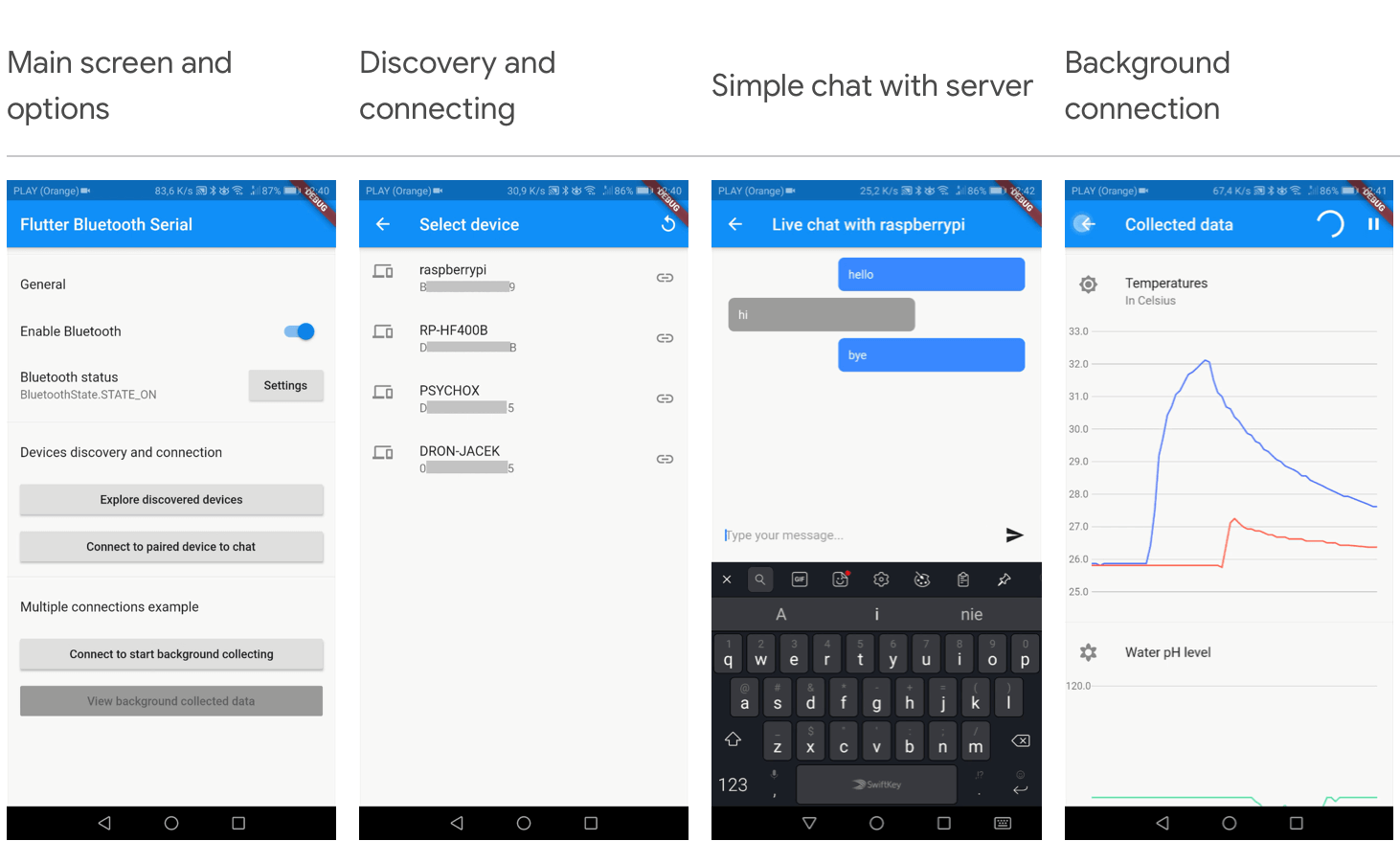
flutter_bluetooth_serial
一个基本的Flutter蓝牙串行库
377喜欢 1.1万近 30 天下载130Pub 分数
Android
该项目通过移动应用程序在 Liquid Galaxy 设备上展示了绕地球运行的卫星轨道,并使用 Arduino 控制的指针进行演示。
 v0.4.0
一个基本的Flutter蓝牙串行库
用纯 Dart 编写的 SSH 和 SFTP 客户端,旨在功能丰富且易于使用。
Pretty Dio Logger 是一个 Dio 拦截器,以美观且易于阅读的格式记录网络调用。
一个 Flutter 指南针。航向范围为 0-360,0 表示正北。
 v16.23.0
Simple Icon 图标包作为 Flutter 图标提供。为热门品牌提供超过 1500 个免费 SVG 图标。
 v4.1.2
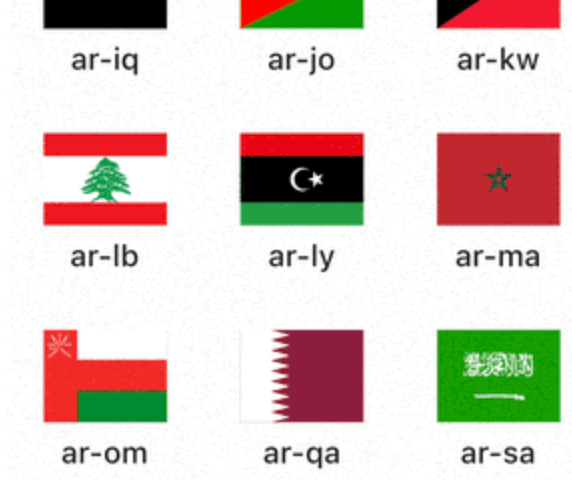
一个 Flutter 包,用于从 ISO 国家代码显示国旗图标。
{"sdk":"flutter"}^1.0.2^8.1.2^4.0.2^1.1.0^5.3.2^1.3.1^0.18.1^6.1.12^3.0.0^0.1.0^2.2.0^7.6.02.0.15^0.4.0^0.14.0^2.8.2^7.10.0^10.0.0^0.7.0^2.1.0{"sdk":"flutter"}^2.0.0以下为英文项目原文快照,最新内容请访问 GitHub。
Steam Celestial Satellite tracker in real time
https://img.shields.io/github/license/savitore/Steam-Celestial-Satellite-tracker-in-real-time?color=red https://img.shields.io/github/languages/top/savitore/Steam-Celestial-Satellite-tracker-in-real-time?color=green https://img.shields.io/badge/Languages-8-important?color=yellow https://img.shields.io/github/repo-size/savitore/Steam-Celestial-Satellite-tracker-in-real-time?color=blue&label=Repo%20Size
This project represents the orbit of a satellite orbiting earth on an Arduino-controlled pointer and a Liquid Galaxy rig through a mobile application. This project was developed within the Google Summer of Code 2023 program.
The application offers a unique way to visualize satellite orbits using the Liquid Galaxy rig (Google Earth) and a real-world Arduino-controlled pointer. It also provides insights into satellites' movements and access to vital satellite information seamlessly within the app.
Take a look at the app on the Google Play Store.
Read this documentation to know how to set up Flutter.
Then, clone the project:
$ git clone https://github.com/savitore/STEAM-Celestial-Satellite-tracker-in-real-time.git
$ cd STEAM-Celestial-Satellite-tracker-in-real-time
With the project cloned, open a terminal and navigate to the project root directory. First you need to install the packages by running:
flutter pub get
After successfully installing all the packages. You can run flutter doctor to check out the connected devices and if all the environment is correct.
flutter doctor
With everything ready to go, it is time to run the project.
❗ You must have a mobile device connected or an android emulator running in order to run the app.
$ flutter run --no-sound-null-safety
Once done, the APK file may be found into the /build/app/outputs/flutter-apk/ directory, named app-release.apk.
You can find the documentation for setting up the Arduino-controlled pointer by clicking here.
Please note that the Arduino-controlled pointer is compatible only with Android devices that are running versions up to Android 11.
If you have followed all the steps up to this point, your app should be running.
With the app open, click on the gear icon (⚙️) on the home page's top-right corner. When clicked, it will take you to the Settings page. On that page, select the LG Connection option.
To establish a connection with your Liquid Galaxy, enter the Liquid Galaxy host name, password, IP address, SSH connection port (change it only if the system's default SSH port 22 was changed), and the number of screens.
After completing the necessary steps, click on the Connect button. If the connection is successfully established, you will see a "Connected" label highlighted in green.
If the connection is successful, you are now all set to enjoy the app. Start exploring a variety of satellites and their related information.
You're welcome to report any issues, bugs, or feature requests through our issue tracker. Kindly provide detailed and clear descriptions.
If you're interested in contributing to this project, feel free to submit a pull request.
This app was made possible with the help of mentor Otávio J. França Oliveira, organization admin Andreu Ibáñez Perales, and testers from Liquid Galaxy LAB: Mohamed Zazou, Navdeep Singh, and Imad Laichi.
Special thanks to Michell Algarra, the author of the SatNOGS project, and Sayed Nowroz, whose Arduino-controlled pointer served as inspiration.
This software is licensed under the MIT license.