


 v2.2.3
positioned_scroll_observer
一個優雅的滾動觀察器,支援大多數滾動視圖,可在不破壞目前組件的情況下跳轉/動畫至指定索引。
28喜歡 2060近 30 天下載160Pub 分數
AndroidiOSWebmacOSWindowsLinux
一個優雅的滾動觀察器,用於在 Flutter 應用程式中觀察可滾動的 widget。

以下為英文專案原文快照,最新內容請造訪 GitHub。

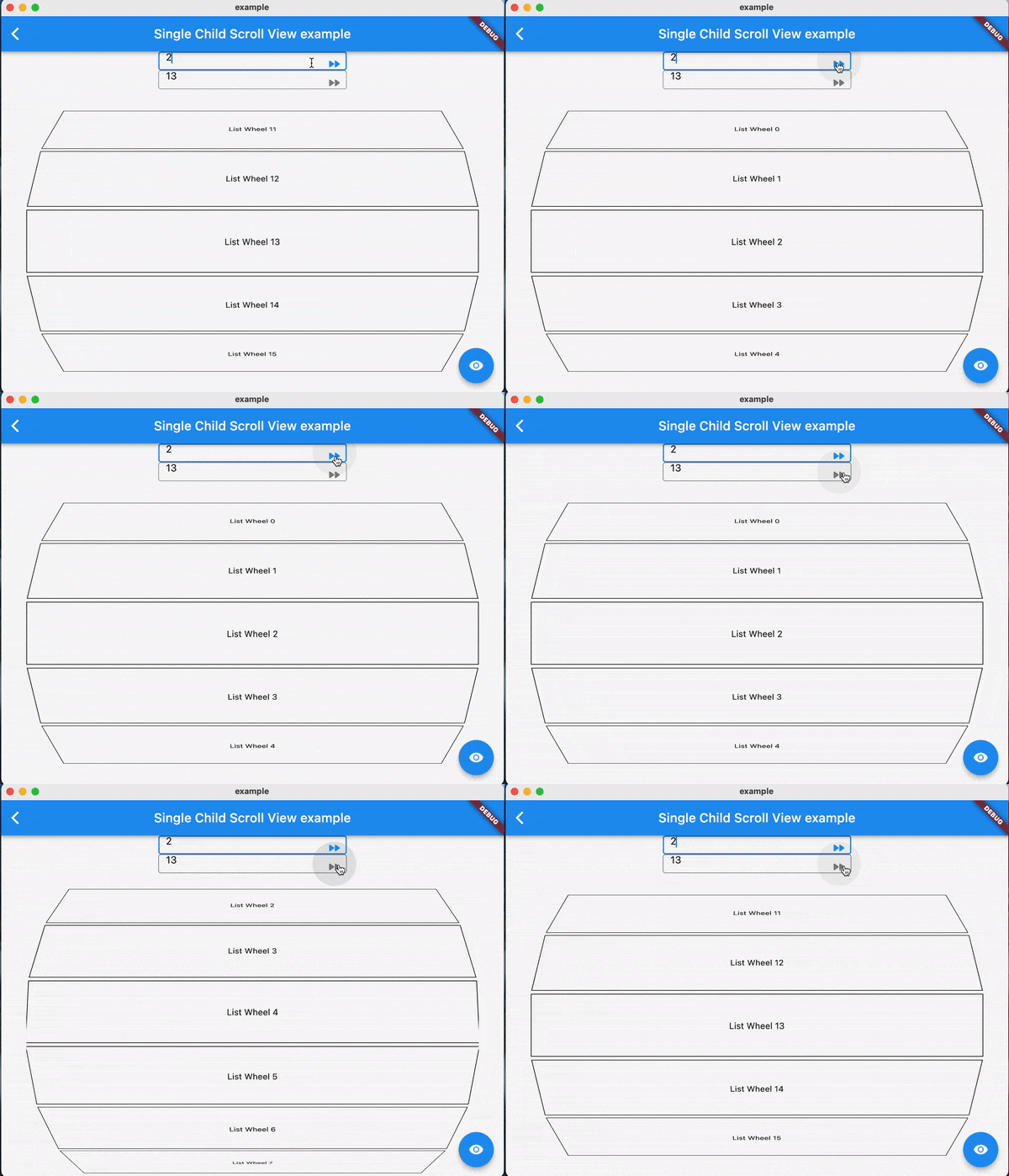
Using jumpToIndex and animateToIndex to scroll to the specific index
Jumping/animating to the position by specifying a ratio in a scroll view. See how to align the render object. That would be very useful if you want to quickly jump to the top, middle or end of a list/grid.
Using PositionRetainedScrollPhysics to retain the old offset to avoid scrolling when adding new items into the top of ListView. See retain old scroll offset.
Check if the specific index is visible on the screen. See check visibility.
Check which items are visible in the viewport. See get visible items
Check the visible ratio of the observed RenderObject in a viewport. See how to use it in a GroupList
No breaking for your current sliver widgets, e.g., ListView/GridView, SliverList/SliverGrid/SliverAppBar, just wrapping your item widgets using ObserverProxy. Supported:
First, creating and binding the observer to all items. (See box scroll observer and sliver scroll observer)
then, using the observer like:
_observer.jumpToIndex(
    index,
    position: _controller.position,
);

_observer.animateToIndex(
    index,
    position: _controller.position,
    duration: const Duration(milliseconds: 200),
    curve: Curves.fastLinearToSlowEaseIn,
);
RenderSliver, e.g., SingleChildScrollView and ListWheelScrollView

create a BoxScrollObserver for observing the box with multi children.
  final ScrollController _controller = ScrollController();
  late final _observer = ScrollObserver.boxMulti(
    axis: _axis,
    itemCount: 30,
  );
bind the observer to the box's children. (Using ObserverProxy to wrap each item).
SingleChildScrollView(
  controller: _controller,
  scrollDirection: _axis,
  child: Column(
    children: [
      for (int i = 0; i < 30; i++)
        ObserverProxy(
          observer: _observer,
          child: DecoratedBox(
            decoration: BoxDecoration(border: Border.all()),
            child: SizedBox(
              height: 100,
              width: 100,
              child: Center(
                child: Text("Column item $i"),
              ),
            ),
          ),
        ),
      ],
    ),
  );


create a SliverScrollObserver for observing the sliver with multi children.
  final ScrollController _controller = ScrollController();
  late final _observer = ScrollObserver.sliverMulti(itemCount: 30);
bind the observer to each item for the sliver.
    ListView.builder(
      controller: _controller,
      itemBuilder: (context, index) => ObserverProxy(
        observer: _observer,
        child: ListTile(
          key: ValueKey<int>(index),
          leading: const CircleAvatar(
            child: Text("L"),
          ),
          title: Text("Positioned List Example $index"),
        ),
      ),
      itemCount: _itemCount,
    );
For
ListView.customandGridView.custom, you could also usePositionedChildListDelegateandPositionedChildBuilderDelegatefor wrapping items inObserverProxyconveniently
ScrollObserver.sliverSingle to create.ScrollObserver.sliverMulti to create.ScrollObserver.boxSingle to create. (rare cases and need more testing)ScrollObserver.boxMulti to create.index is visible on the screen

More details, see API reference.
PositionRetainedScrollPhysics for retaining the old scroll offset
ListView.builder(
  controller: _controller,
  reverse: true,
  physics: const PositionRetainedScrollPhysics(),
  itemBuilder: (context, index) => _items[index],
  itemCount: _itemCount,
);

_observer.showInViewport(
  _controller.position,
  alignment: 0.5,
);
By setting different alignment, you could jump/animate to the position according to the ratio: alignment.
alignment = 0.0, it would align the render object' leading to the leading of the viewport's main axis extent.alignment = 0.5, it would align the render object's center to the center of the viewport;s main axis extent.alignment = 1.0, it would align the render object's trailing to the trailing of the viewport's main axis extent.you could also specify
alignmentas the number between[0, 1]
ObserverProxynormalizeIndex to ensure the index is in a valid range determined by itemCount of observers, so developers should also update observers' itemCount when the scroll views' item count changes.RenderObject observed by an observer should share the same observer instance, instead of creating different observers for each item.ScrollObserver.boxMulti, axis is required so that the observer could estimate the scroll offset along the correct main axis.TODO
Feel free to contribute to this project.
If you find a bug or want a feature, but don't know how to fix/implement it, please fill an issue.
If you fixed a bug or implemented a feature, please send a pull request
依賴清單 4 項
{"sdk":"flutter"}{"sdk":"flutter"}^2.0.0^2.1.1先依使用情境篩選,再比較專案活躍情況,最後到原始儲存庫確認使用要求。
“A repository is the most basic element of GitHub.”
GitHub Docs — About repositories ↗