Package selection guidance compiled from public package information, community data, and project usage.
SmartAuth is a Flutter package that simplifies OTP and SMS-based authentication on Android by leveraging the Android SMS User Consent API and SMS Retriever API. It enables automatic detection and reading of one-time passwords (OTPs) from incoming SMS, supports auto-fill of OTPs in forms, and retrieves user phone numbers securely. Designed for seamless integration with PIN, OTP, and password fields, it enhances user experience by reducing manual input. The package is platform-specific, working exclusively on Android.
Use cases
Auto-detecting OTP from SMS
Automatically filling OTP in login forms
Reading user phone number from SMS
Enhancing login flow with SMS autofill
Simplifying two-factor authentication
Reducing user input errors in OTP entry
Key features
Automatic OTP extraction from SMS
Secure phone number retrieval
Android-only SMS autofill support
Simple integration with text fields
Real-time SMS monitoring
Complies with Android's SMS Retriever API
Suitable for
Android apps requiring OTP auto-fill
Apps using SMS-based 2FA
Developers seeking native SMS integration
User flows with SMS verification
Apps aiming to reduce friction in login
Considerations
Only works on Android
Requires proper SMS format for detection
Needs runtime permissions for SMS access
Limited to devices with Google Play Services
Depends on SMS Retriever API availability
Original README
Original README snapshot from the linked source repository. Visit the repository for the latest content.
Flutter Smart Auth
Need anything Flutter related? Reach out
on LinkedIn
Flutter package for listening SMS code on Android, suggesting phone number, email, saving a
credential.
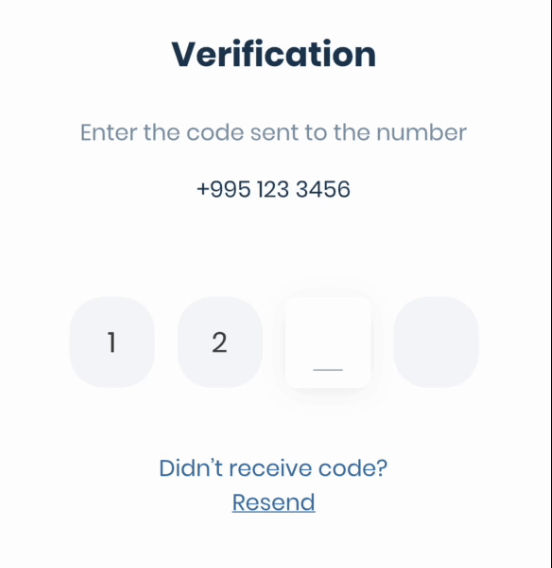
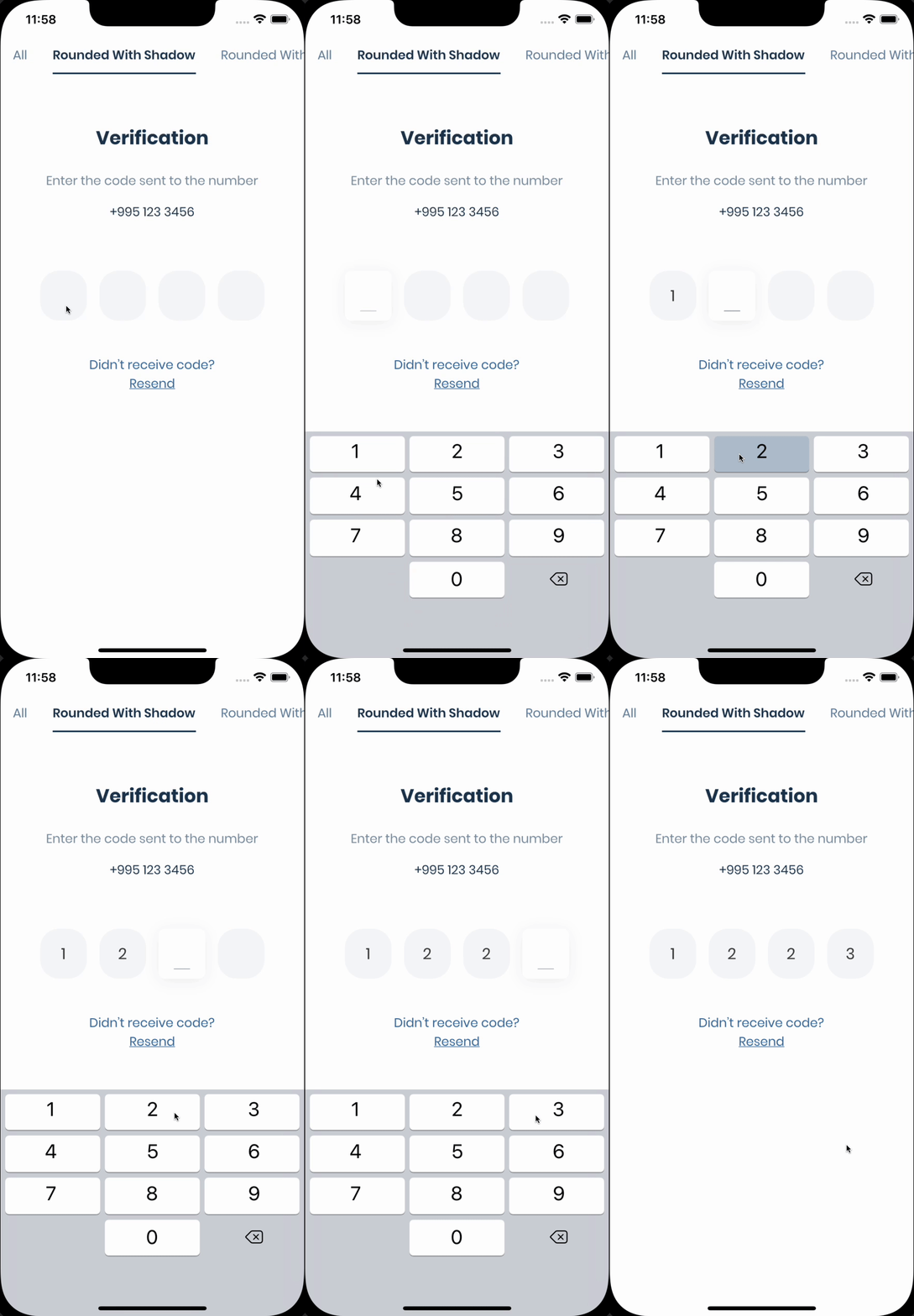
If you need pin code input like shown below, take a look at
the Pinput package.
The Phone Number Hint API, a library powered by Google Play services, provides a frictionless way to
show a user’s (SIM-based) phone numbers as a hint.
The benefits to using Phone Number Hint include the following:
No additional permission requests are needed
Eliminates the need for the user to manually type in the phone number
No Google account is needed
Not directly tied to sign in/up workflows
Wider support for Android versions compared to Autofill
voidrequestPhoneNumberHint() async {
final res = await smartAuth.requestPhoneNumberHint();
if (res.hasData) {
// Use the phone number
} else {
// Handle error
}
}
The SMS User Consent API complements the SMS Retriever API by allowing an app to prompt the user to
grant access to the content of a single SMS message. When a user gives consent, the app will then
have access to the entire message body to automatically complete SMS verification. The verification
flow looks like this:
A user initiates SMS verification in your app. Your app might prompt the user to provide a phone
number manually or request the phone number hint by calling requestPhoneNumberHint method.
Your app makes a request to your server to verify the user's phone number. Depending on what
information is available in your user database, this request might include the user's ID, the
user's phone number, or both.
At the same time, your app calls the getSmsWithUserConsentApi to show the user a dialog to
grant access to the SMS message.
Your server sends an SMS message to the user that includes a one-time code to be sent back to
your server.
When the user's device receives the SMS message, the getSmsWithUserConsentApi will extract the
one-time code from the message text and you have to send it back to your server.
Your server receives the one-time code from your app, verifies the code, and finally records that
the user has successfully verified their account.
voidgetSmsWithUserConsentApi() async {
final res = await smartAuth.getSmsWithUserConsentApi();
if (res.hasData) {
final code = res.requireData.code;
/// The code can be null if the SMS was received but the code was not extracted from itif (code == null) return;
// Use the code
} elseif (res.isCanceled) {
// User canceled the dialog
} else {
// handle the error
}
}
With the SMS Retriever API, you can perform SMS-based user verification in your Android app
automatically, without requiring the user to manually type verification codes, and without requiring
any extra app permissions. When you implement automatic SMS verification in your app, the
verification flow looks like this:
A user initiates SMS verification in your app. Your app might prompt the user to provide a phone
number manually or request the phone number hint by calling requestPhoneNumberHint method.
Your app makes a request to your server to verify the user's phone number. Depending on what
information is available in your user database, this request might include the user's ID, the
user's phone number, or both.
At the same time, your app calls the getSmsWithRetrieverApi to begin listening for an SMS
response from your server.
Your server sends an SMS message to the user that includes a one-time code to be sent back to
your server, and a hash that identifies your app.
When the user's device receives the SMS message, Google Play services uses the app hash to
determine that the message is intended for your app, and makes the message text available to your
app through the SMS Retriever API.
The getSmsWithRetrieverApi will extract the one-time code from the message text and you have to
send it back to your server.
Your server receives the one-time code from your app, verifies the code, and finally records that
the user has successfully verified their account.
voidgetSmsWithRetrieverApi() async {
final res = await smartAuth.getSmsWithRetrieverApi();
if (res.hasData) {
final code = res.requireData.code;
/// The code can be null if the SMS was received but the code was not extracted from itif (code == null) return;
// Use the code
} else {
// handle the error
}
}
Dispose
The plugin automatically removes listeners after receiving the code, if not you can remove them by
calling the removeUserConsentApiListener or removeSmsRetrieverApiListener method.
voidremoveSmsListener() {
smartAuth.removeUserConsentApiListener();
// or
smartAuth.removeSmsRetrieverApiListener();
}