
v2.1.2
versionarte
업데이트를 강제로 적용하고 업데이트 표시기를 표시하며 유지보수 중 앱을 비활성화하고 UI에 대한 완전한 자유를 제공합니다.
173좋아요 75830일 다운로드150Pub 점수
AndroidiOSWebmacOSWindows
🔢 몇 줄의 코드로 Flutter 앱을 강제 업데이트하세요
아래는 영문 원문 스냅샷입니다. 최신 내용은 GitHub에서 확인하세요.
Force update, show update indicator and disable the app for maintenance with total freedom over the UI.
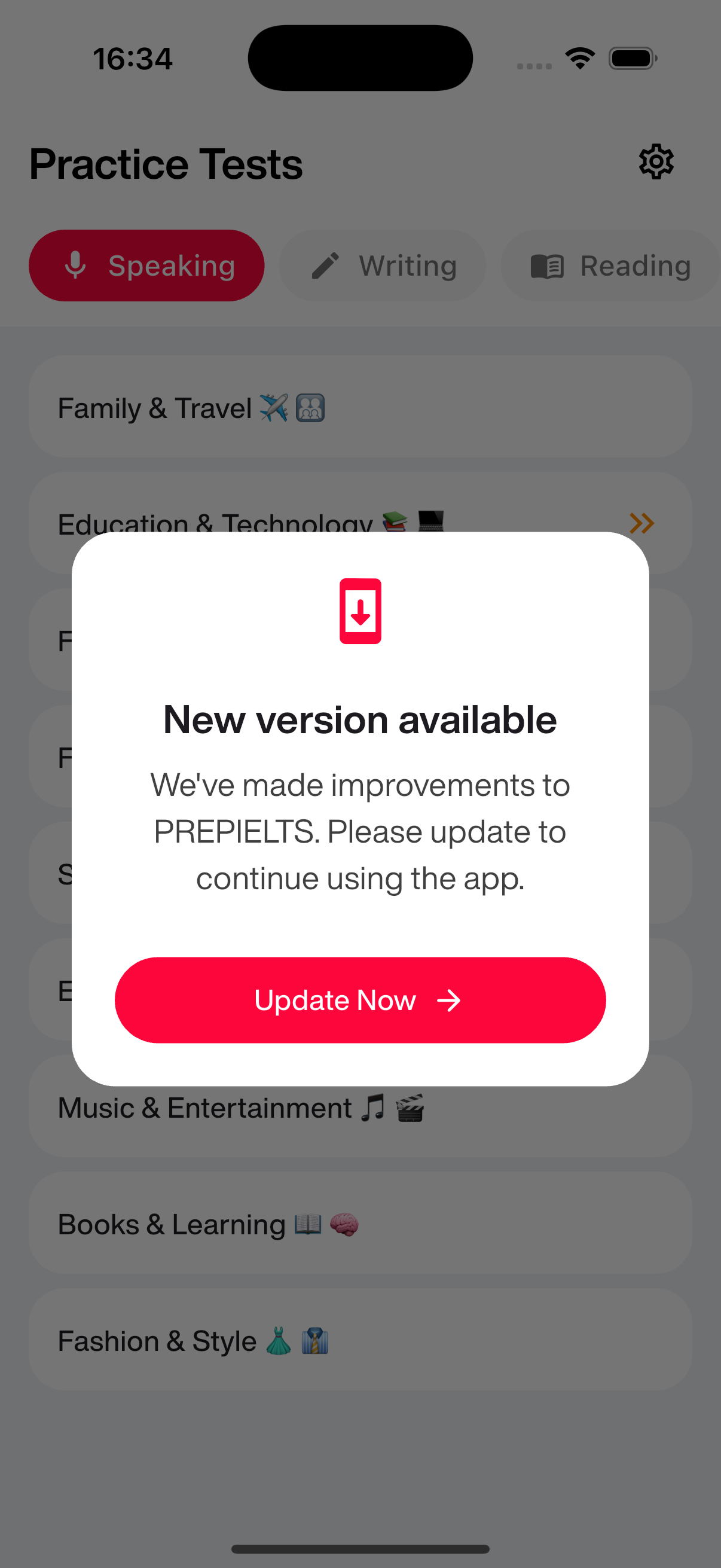
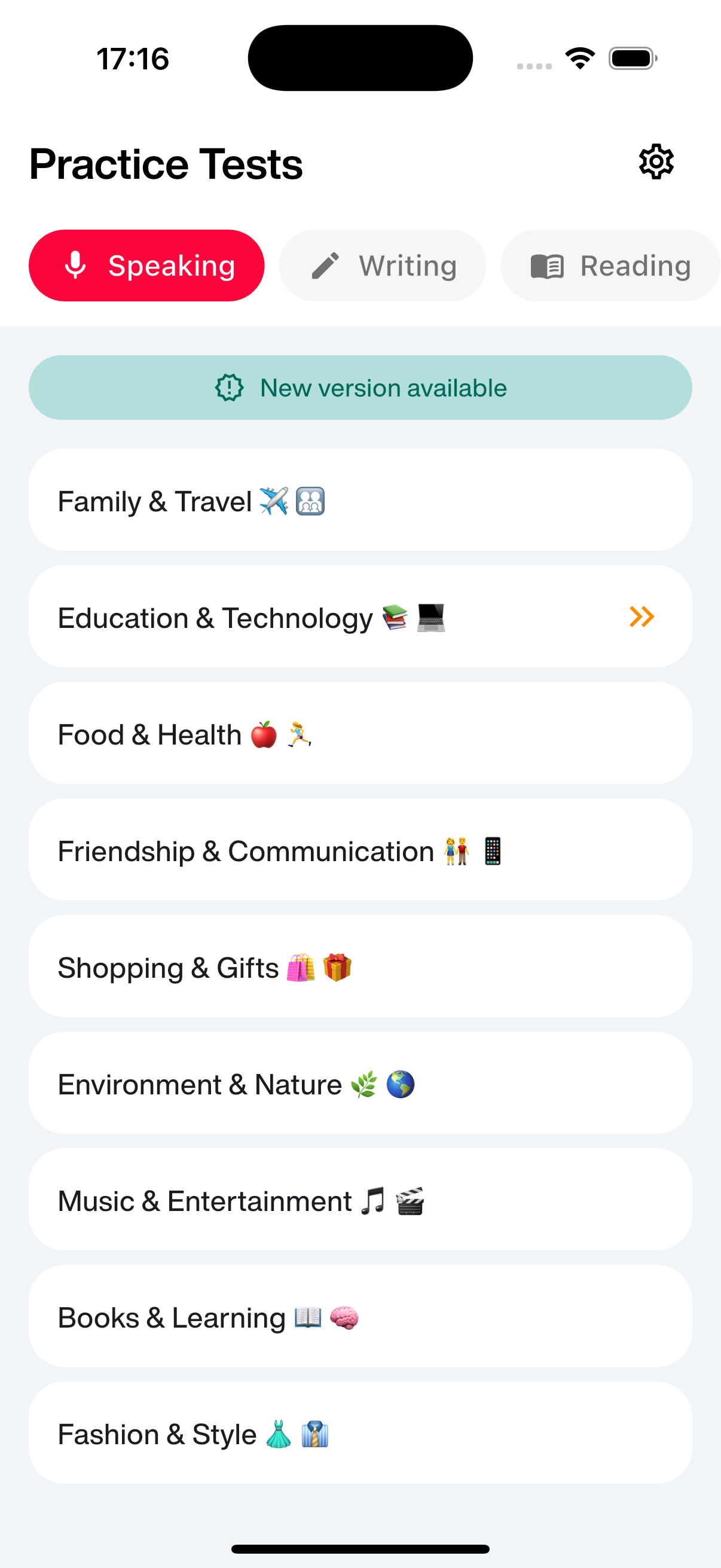
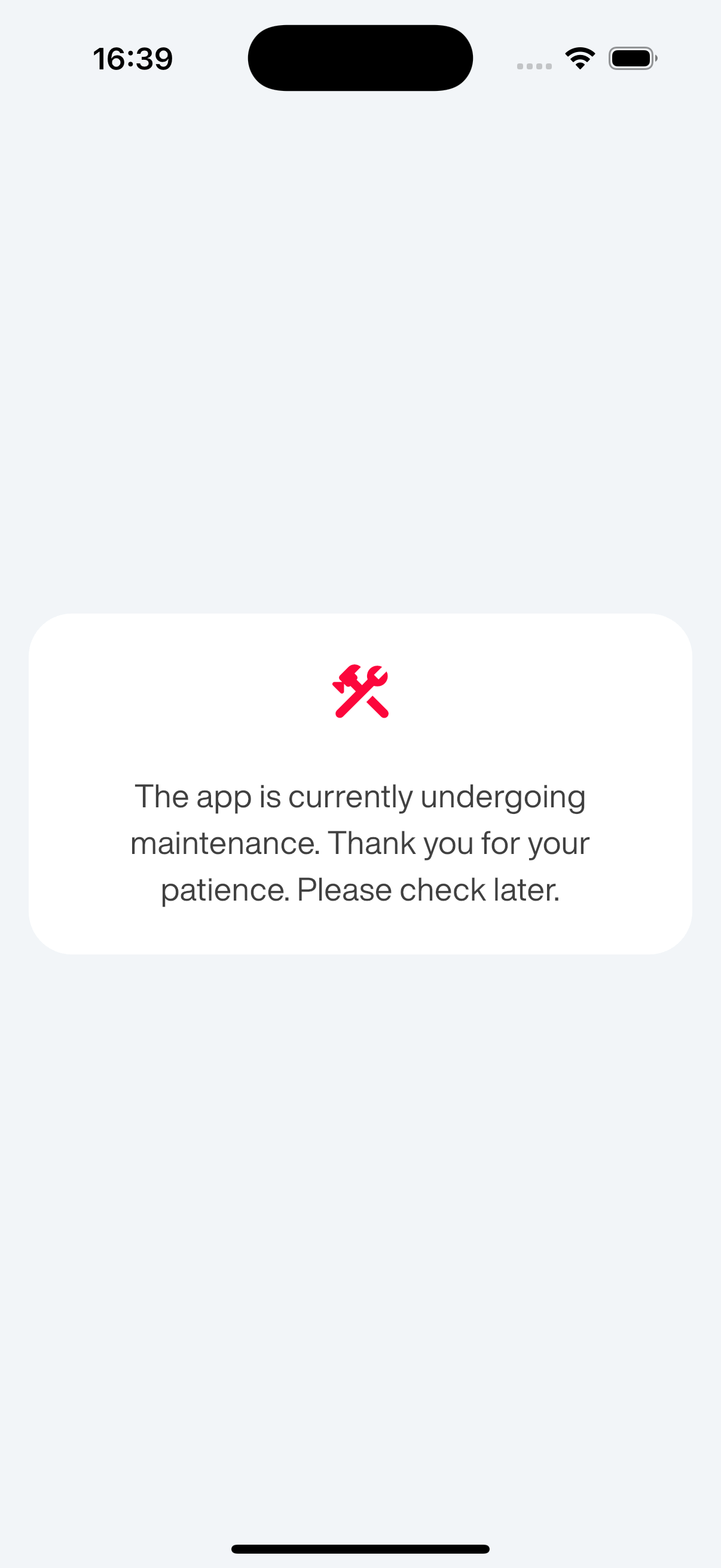
| Forced update | New version indicator | Maintenance mode |
|---|---|---|
 |
 |
 |
Read the How to force users to update your Flutter app article for detailed explanation.
Add the package and import it:
dependencies:
  versionarte: <latest_version>
import 'package:versionarte/versionarte.dart';
Call Versionarte.check with a provider to get the app's versioning status:
// Using Firebase Remote Config (most common)
final VersionarteResult result = await Versionarte.check(
    versionarteProvider: RemoteConfigVersionarteProvider(),
);
Tip: Pass
silent: trueto suppress debug console logs.
Choose from three provider types based on your backend:
Recommended for apps already using Firebase
final VersionarteResult result = await Versionarte.check(
    versionarteProvider: RemoteConfigVersionarteProvider(),
);
Optional parameters:
keyName: Firebase config key (default: "versionarte")initializeInternally: Set to false if your app already initializes FirebaseremoteConfigSettings: Custom settings if neededSee Firebase Remote Config setup guide for configuration details.
Recommended for apps with custom backends
final VersionarteResult result = await Versionarte.check(
    versionarteProvider: RestfulVersionarteProvider(
        url: 'https://myapi.com/getVersioning',
    ),
);
Optional parameters:
headers: Custom HTTP headers if neededNote: Your RESTful endpoint must return the same JSON structure as shown in the Configuration JSON section below.
For advanced use cases with custom data sources
class MyCustomVersionarteProvider extends VersionarteProvider {
  @override
  Future<DistributionManifest> getDistributionManifest() async {
    final String result = MyCustomService.fetchVersioning();
    final Map<String, dynamic> decodedResult = jsonDecode(result);

    return DistributionManifest.fromJson(decodedResult);
  }
}
Use the status value to determine what action to take:
if (result.status == VersionarteStatus.inactive) {
    // App is in maintenance mode
    final String message = result.getMessageForLanguage('en');

    showMaintenanceDialog(message);
} else if (result.status == VersionarteStatus.forcedUpdate) {
    // User must update to continue
    showForceUpdateDialog(
      onUpdate: () {
        Versionarte.launchDownloadUrl(result.downloadUrls);
      },
    );
} else if (result.status == VersionarteStatus.outdated) {
    // Update available but optional
    showOptionalUpdateDialog(
      onUpdate: () {
        Versionarte.launchDownloadUrl(result.downloadUrls);
      },
    );
}
Tip: You can also show different widgets based on status. For example, when the app is outdated, you might want to show an update indicator anywhere in your app (for example in home page):
Widget build(BuildContext context) {
  return Column(
    children: [
      // other widgets
      if (result.status == VersionarteStatus.outdated)
        // A custom widget to show "Update available"
        NewVersionAvailableIndicator(
          onUpdate: () {
            Versionarte.launchDownloadUrl(result.downloadUrls);
          }
        ),
      // other widgets
    ],
  );
}
To open the appropriate store for the current platform:
await Versionarte.launchDownloadUrl(result.downloadUrls);
Note: Add "download_url" in your configuration JSON for each platform. The correct store opens automatically based on the current platform.
See the example directory for a complete sample app.
The configuration JSON contains versioning and status information for each platform. Only configure platforms that your app supports.
{
    "android": {
        "version": {
            "minimum": "2.7.0", // Minimum required version
            "latest": "2.8.0"   // Latest available version
        },
        "download_url": "https://play.google.com/store/apps/details?id=app.example",
        "status": {
            "active": true,     // Whether app is currently active
            "message": {        // Only needed if active is false
                "en": "App is in maintenance mode, please come back later.",
                "es": "La aplicación está en modo de mantenimiento, vuelva más tarde."
            }
        }
    },
    "iOS": {
        // Same structure as Android
    },
    // Optional: Include other platforms if needed (macOS, windows, linux)
}
If you encounter any problems or need a feature, please raise a ticket on GitHub.

의존성 목록 8 개
{"sdk":"flutter"}^6.5.1^1.6.0^10.1.0^6.3.2^2.2.0{"sdk":"flutter"}^6.0.0사용 목적에 따라 검색하고 개발 활동을 비교한 뒤 원본 저장소에서 요구 사항을 확인하세요.
“A repository is the most basic element of GitHub.”
GitHub Docs — About repositories ↗