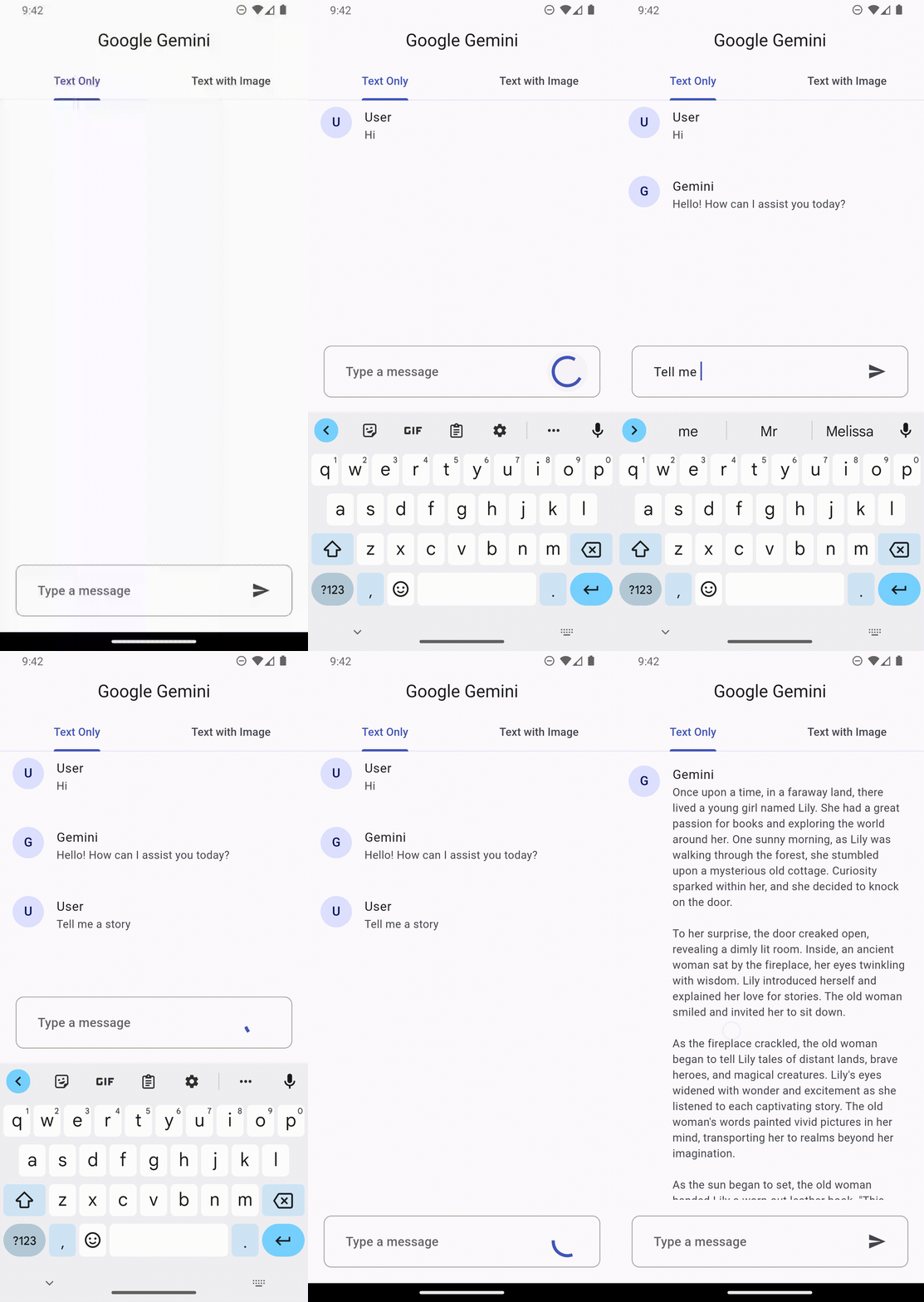
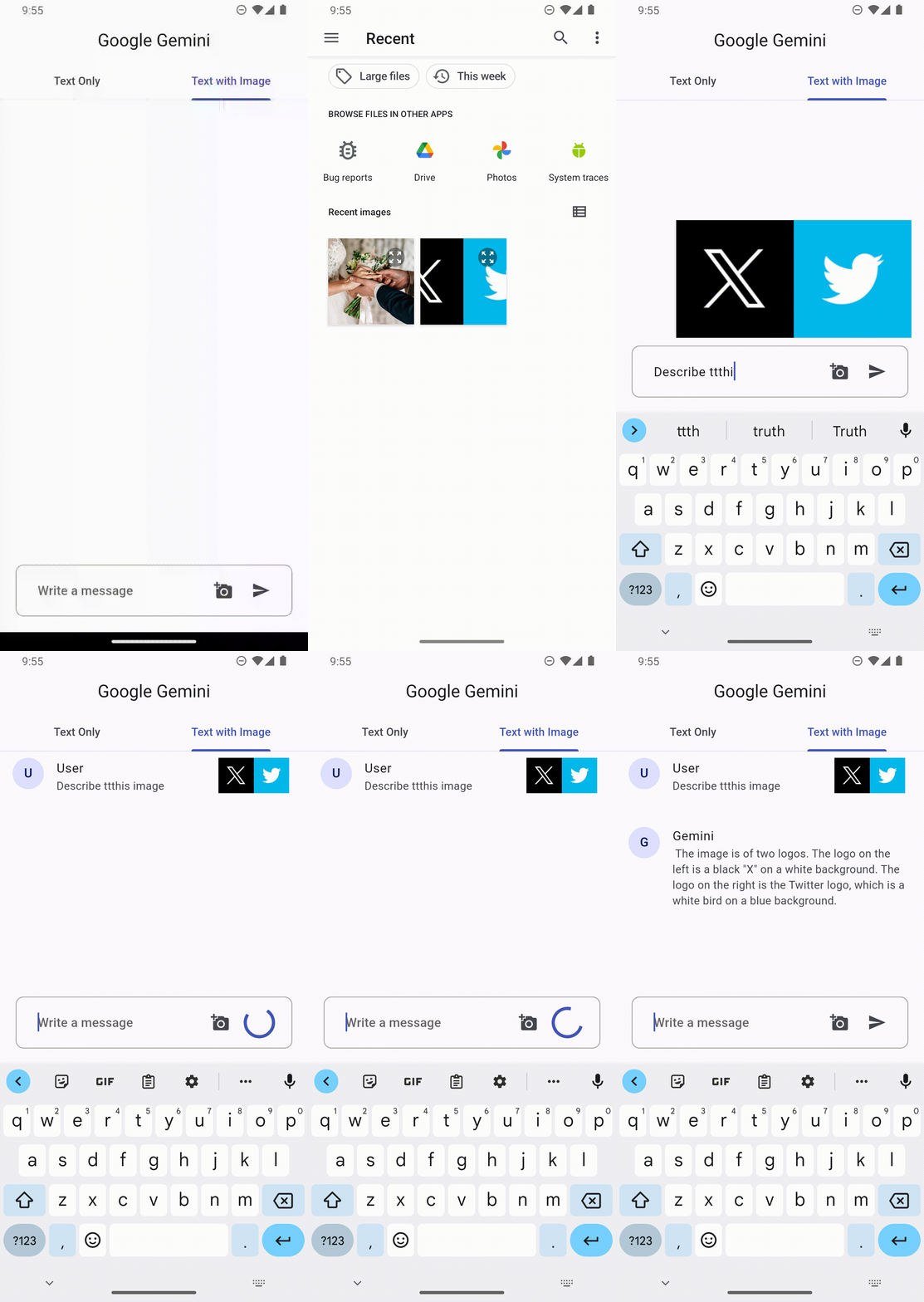
Google Gemini SDK for Flutter 能夠實現 Google 先進 Gemini AI 與 Flutter 應用的無縫整合。它提供一個強大的橋樑,讓開發者能直接在行動與桌面應用中運用生成式 AI 功能,例如自然語言理解、文字產生與多模式推理。此套件專為尋求尖端 AI 功能的開發者設計,支援 Android、iOS、macOS、Windows 與 Linux 平台。透過 pub add 簡單設定,賦能應用實現智慧且具情境感知的互動。
適用情境
AI 驅動的聊天介面
應用中的內容產生
多模態圖像和文本分析
智慧助理功能
即時語言翻譯
主要特色
與 Google Gemini 的原生整合
對多個平台的支援
簡單 pub add 安裝
即時AI回應
跨平台相容性
適合對象
開發 AI 增強應用程式的開發者
整合生成式AI的團隊
行動和桌面應用程式創建者
生產力和內容工具
使用建議
需要網路連線以進行API呼叫
依賴 Google Cloud 憑證
可能會產生基於使用的費用
有限的離線功能
API 速率限制適用
原始 README
以下為關聯原始碼儲存庫的 README 原文快照,最新內容請造訪原始碼儲存庫。
Google DeepMind Gemini
Google Gemini is a set of cutting-edge large language models (LLMs) designed to be the driving force behind Google's future AI initiatives.
This package provides a powerful bridge between your Flutter application and Google's revolutionary Gemini AI. It empowers you to seamlessly integrate Gemini's capabilities into your app, unlocking a world of possibilities for building innovative, intelligent, and engaging experiences that redefine user interaction.
To get the API key you have to create a Gemini account on the ai.google.dev. Once you have to Gemini API key, you are ready to start building.
Create Gemini Instance
final gemini = GoogleGemini(
  apiKey: "--- Your Gemini Api Key --- ",
);
Generate content
With Gemini you use both text and image data for prompting, depending on what model variation you use.
For example, you can generate text using text prompt with the gemini-pro model and use both text and image data to prompt the gemini-pro-vision model
Text only input
This feature lets you perform natural language processing (NLP) tasks such as text completion and summarization.
gemini.generateFromText("Tell me a story")
.then((value) => print(value.text))
.catchError((e) => print(e));
Text and image input
You can send a text prompt with an image to the gemini-pro-vision model to perform a vision related task. For example, captioning an image or identifying what's in an image.
File image = File("assets/images.png")

gemini.generateFromTextAndImages(
  query: "What is this picture?",
  image: image
)
.then((value) => print(value.text))
.catchError((e) => print(e));
Configuration
Every prompt you send to the model includes parameter values that control how the model generates a response. The model can generate different results for different parameter values.
Model parameters
The most common model parameters are:
Max output tokens: Specifies the maximum number of tokens that can be generated in the response. A token is approximately four characters. 100 tokens correspond to roughly 60-80 words.
Temperature: The temperature controls the degree of randomness in token selection. Lower temperatures are good for prompts that require a more deterministic or less open-ended response, while higher temperatures can lead to more diverse or creative results.
topK: The topK parameter changes how the model selects tokens for output.
topP: The topP parameter changes how the model selects tokens for output.
stop_sequences: Set a stop sequence to tell the model to stop generating content. A stop sequence can be any sequence of characters. Try to avoid using a sequence of characters that may appear in the generated content.
Example
// Generation Configurationfinal config = GenerationConfig(
temperature: 0.5,
maxOutputTokens: 100,
topP: 1.0,
topK: 40,
stopSequences: []
);
// Gemini Instancefinal gemini = GoogleGemini(
apiKey: "--- Your Gemini Api Key ---",
config: config // pass the config here
);
Safety settings
Safety settings are part of the request you send to the text service. It can be adjusted for each request you make to the API.
Categories
These categories cover various kinds of harms that developers may wish to adjust.