Orientação gerada a partir de informações públicas. Apenas para referência.
flutter_sensors é um plugin Flutter que fornece acesso aos sensores embutidos do dispositivo, como acelerômetro, giroscópio e magnetômetro. Ele permite que desenvolvedores coletam dados em tempo real de movimento e orientação de dispositivos Android e iOS. O plugin oferece uma API simples e consistente para escutar eventos de sensor, tornando-o ideal para aplicações que exigem rastreamento de movimento ou experiências interativas baseadas no movimento do dispositivo. Ele se integra perfeitamente ao framework reativo do Flutter, permitindo o tratamento eficiente de fluxos de sensores.
Casos de uso
Controles de jogo baseados em movimento
Rastreamento de condicionamento físico e atividade
aplicações de realidade aumentada
Detecção de orientação do dispositivo
Elementos de interface interativa
Principais recursos
Streaming de dados de sensores em tempo real
Suporte para acelerômetro, giroscópio e magnetômetro
Compatibilidade multiplataforma (Android e iOS)
API baseada em fluxo para programação reativa
Interface simples baseada em eventos
Indicado para
Desenvolvedores criando aplicativos sensíveis ao movimento
Aplicativos que exigem consciência da orientação do dispositivo
Experiências de usuário interativas e imersivas
Integrações de tecnologia vestível e de condicionamento físico
Considerações
Requer permissões apropriadas no Android
O uso da bateria pode aumentar com a varredura contínua do sensor
A precisão dos dados depende do hardware do dispositivo
Não adequado para aplicações industriais de alta precisão
README original
Snapshot do README original do repositório-fonte vinculado. Consulte o repositório para o conteúdo mais recente.
native_video_view
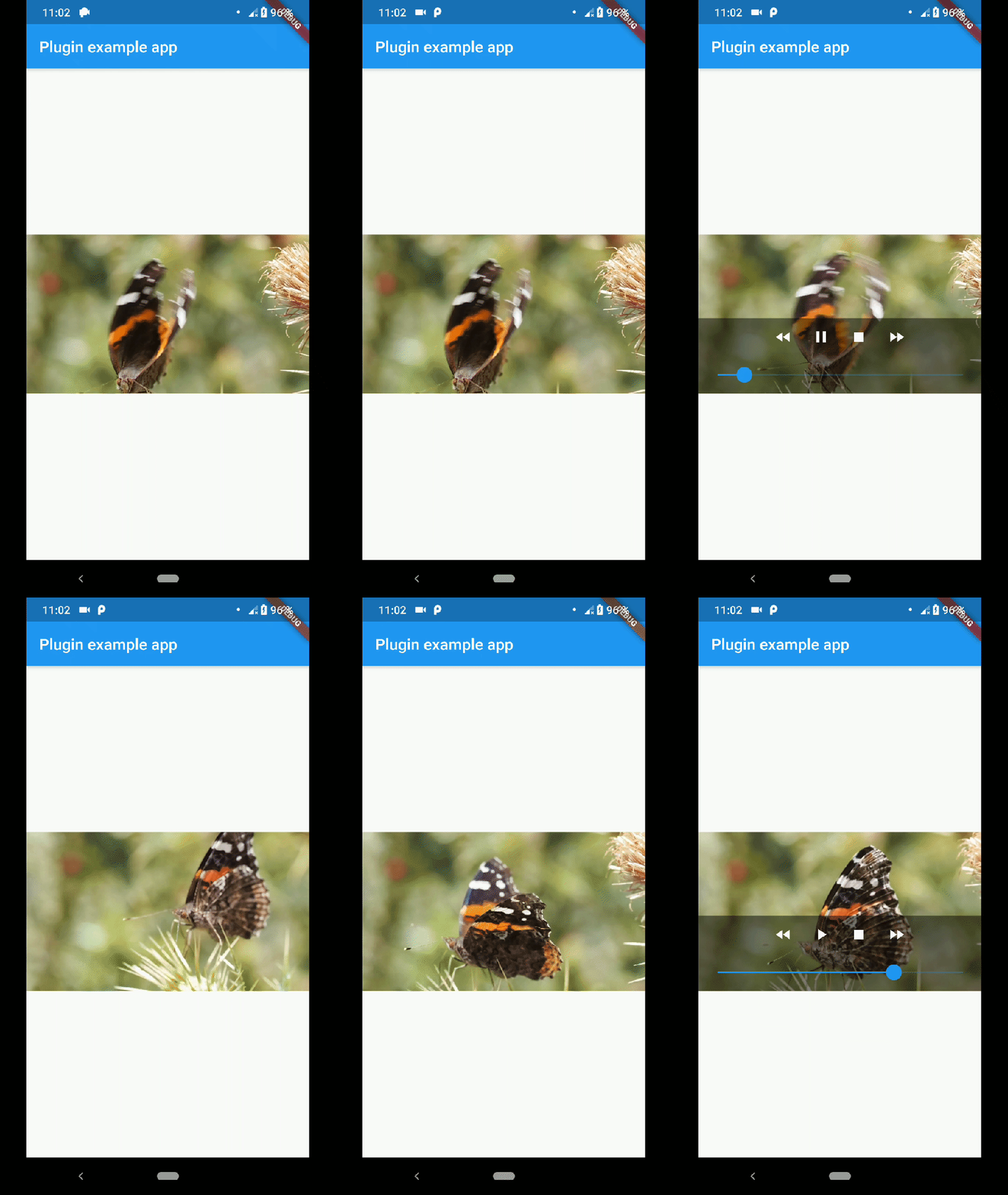
A video player widget displayed using the platform native player
(VideoView in Android and AVPlayer in iOS).
Disclaimer
This plugin uses VideoView because in some devices the ExoPlayer plugin
is not working correctly (due to decoders or something) and VideoView is
a reasonable alternative. In iOS is sorta similar to Google's
video_player so you should use
their plugin if you want a player for iOS only.
Installation
First you need to add the dependency in your pubspec.yaml.
native_video_view:^0.3.0
Then import the plugin in the .dart file you want to use it.
You need to add the necessary permissions to play the videos. If
you are playing videos from the internet, you need to add the internet
permissions in your AndroidManifest.xml located in the android
folder in your project.
keepAspectRatio: Wraps the video player in a AspectRatio widget.
The aspect ratio is calculated once the video is loaded. By default the
aspect ratio is 4/3.
showMediaController: Shows a default media controller overlay
in the video player widget.
enableVolumeControl: Adds an option in the MediaController to control the volume of the
playback.
useExoPlayer: Use ExoPlayer as the underlying player.
Android Only.
autoHide: Automatically hides the media controller after
a few seconds of no use. Default is true.
autoHideTime: The time after which the controller is hidden.
Default is 2 seconds.
onCreated: (required) Callback called when the PlatformView is
finished creating.
onPrepared: (required) Callback called when the player has
finished loading the video.
onCompletion: (required) Callback called when the video reached
the end.
onError: Callback called if an error occurs in the player.
onProgress: Callback used to notify progress in the video
playback.
AudioFocus
To make the player get the audio focus of the system you just have to use the setting
requestAudioFocus when setting the video source. See the example below.