パッケージ、リポジトリ、アプリカテゴリを検索

secure_application のカバー
パッケージ詳細v4.1.0

secure_application

ユーザーがアプリを離れると、アプリのコンテンツの可視性を安全に保ちます。アプリスイッチャー内のコンテンツは非表示になり、ユーザーが戻ったときにロックされたコンテンツの上に霜のバリアが表示されます。

AndroidiOSWebWindows
30日間ダウンロード
2.2万
いいね数
551
Pub ポイント
140

パッケージをインストール

flutter pub add secure_application

パッケージ概要

公開情報に基づく選定ガイドです。参考としてご利用ください。

secure_application パッケージは、ユーザーがアプリを離れると機密コンテンツが非表示になるようにすることで、アプリのセキュリティを強化します。アプリ切り替え画面にコンテンツが表示されないようにし、戻った際にロックされたコンテンツにフロストバリアオーバーレイを適用してプライバシーを保護します。Android、iOS、Web、Windows 向けに設計されており、Flutter アプリにシームレスに統合され、バックグラウンド遷移中のユーザーデータを保護します。このパッケージはプラットフォーム固有の機能を利用し、使いやすさを損なわずにセキュリティを維持します。

用途

  • アプリ切り替え中にセンシティブなUI要素を保護する
  • アプリでの個人または機密データの保護
  • マルチユーザー環境におけるスクリーンショットの漏洩を防ぐ
  • 医療または金融アプリケーションにおけるプライバシーの確保
  • データ保護基準への準拠を維持する

主な機能

  • アプリスイッチャーでアプリコンテンツを非表示にする
  • 戻るときにフロストバリアーオーバーレイを適用する
  • クロスプラットフォーム対応(Android、iOS、Web、Windows)
  • 最小限の統合作業
  • プラットフォームネイティブなセキュリティメカニズム

適している対象

  • プライバシーを重視したモバイルおよびデスクトップアプリ
  • 金融および医療関連アプリケーション
  • マルチユーザー機器環境
  • GDPRまたはHIPAA準拠を必要とするアプリ
  • ユーザーのデータ保護を最優先とする開発者

注意事項

  • 適切なプラットフォーム権限が必要です
  • 低スペックデバイスでのパフォーマンスに影響を与える可能性があります
  • フロストバリア効果は、すべての画面タイプで表示されない場合があります
  • 完全なアプリケーション暗号化の代わりにはなりません
  • ユーザー体験はプラットフォームによって異なる場合があります

元の README

関連するソースリポジトリの README 原文のスナップショットです。最新の内容はリポジトリをご覧ください。

previously nammed secure_window

secure_application

This plugin allow you to protect your application content from view on demand

Pluggin in iOS is in swift

Pluggin in Android is in Kotlin / AndroidX libraries

Pluggin is also working for web

Plugin work for windows (will lock when you minimize the window and lock screen)

Usage

Installation

Add secure_application as a dependency in your pubspec.yaml file (what?).

Import

Import secure_application:

import 'package:secure_application/secure_application.dart';

Add a top level SecureApplication

SecureApplication(
        onNeedUnlock: (secure) => print(
            'need unlock maybe use biometric to confirm and then use sercure.unlock()'),
        child: MyAppContent(),
)

Put the content you want to protect in a SecureGate (could be the whole app)

SecureGate(
          blurr: 5,
          lockedBuilder: (context, secureNotifier) => Center(
              child: RaisedButton(
            child: Text('test'),
            onPressed: () => secureNotifier.unlock(),
          )),
          child: YouProtectedWidget(),
)

Tips

Placement

Best place to add the secure application is directly inside the MaterialApp by using its builder:

class MyApp extends StatelessWidget {
  final navigatorKey = GlobalKey<NavigatorState>();
  @override
  Widget build(BuildContext context) => MaterialApp(
        navigatorKey: navigatorKey,
        localizationsDelegates: [
          DefaultMaterialLocalizations.delegate,
          DefaultCupertinoLocalizations.delegate,
          DefaultWidgetsLocalizations.delegate,
        ],
        // debugShowCheckedModeBanner: false,
        title: 'Your Fancy App',
        darkTheme: YourDarkTheme,
        theme: YourTheme,
        onGenerateRoute: _generateRoute,
        builder: (context, child) => SecureApplication(
          nativeRemoveDelay: 800,
          onNeedUnlock: (secureApplicationController) async {
            var authResult = await auth(
                askValidation: () => askValidation(context, child),
                validationForFaceOnly: false);
            if (authResult) {
              secureApplicationController.authSuccess(unlock: true);
            } else {
              secureApplicationController.authFailed(unlock: true);
              secureApplicationController.open();
            }
            return null;
          },
          child: child,
        ),
      );

  Route<dynamic> _generateRoute(RouteSettings settings) {
    switch (settings.name) {
      case '/splash':
        return MaterialPageRoute(builder: (context) => Container());
      default:
        return MaterialPageRoute(
            builder: (context) =>
                SecureGate(blurr: 60, opacity: 0.8, child: DecisionPage()));
    }
  }

  Future<bool> askValidation(BuildContext context, Widget navigator) async {
    if (navigator is Navigator) {
      final context = navigatorKey.currentState.overlay.context;
      return await showDialog<bool>(
        context: context,
        barrierDismissible: false, // user must tap button!
        builder: (BuildContext context) {
          return CupertinoAlertDialog(
            title: Text('Unlock app content'),
            content: Text(
                'Do you wan to unlock the application content? Clicking no will secure the app'),
            actions: <Widget>[
              CupertinoDialogAction(
                isDefaultAction: true,
                child: Text('No'),
                onPressed: () {
                  Navigator.of(context).pop(false);
                },
              ),
              CupertinoDialogAction(
                child: Text('Yes'),
                onPressed: () {
                  Navigator.of(context).pop(true);
                },
              ),
            ],
          );
        },
      );
    }
  }
}

Notice 3 importants part here:

  • Secure application is in MaterialApp/Builder so just above your app naviagator
  • I wrap the route i want to protect in onGenerateRoute with a SecureGate but you could put it anywhare you want if you only want to protect part of your page
  • Ask validation will display a dialog above everything to ask is you want to unlock app or not
react to failed auth
class SecureReacting extends StatefulWidget {
  @override
  _SecureReactingState createState() => _SecureReactingState();
}

class _SecureReactingState extends State<SecureReacting> {
  bool locked = false;
  StreamSubscription<SecureApplicationAuthenticationStatus> _authEventsSub;
  @override
  void initState() {
    super.initState();
    var lockController = SecureApplicationProvider.of(context, listen: false);
    _authEventsSub = lockController.authenticationEvents
        .where((s) => s == SecureApplicationAuthenticationStatus.FAILED)
        .listen((_) => lock());
  }

  void lock() {
    if (mounted) {
      setState(() => locked = true);
      Navigator.of(context).pop();
    }
  }

  @override
  void dispose() {
    _authEventsSub?.cancel();
    super.dispose();
  }

  @override
  Widget build(BuildContext context) {
    return locked ? Container() : Container();
  }
}

Notice 2 importants part here:

  • You are subscribing to a stream so don't forget to unsubscribe in onDispose
  • Since your animation from pop can take some time you might want also to have a locked variable here to display different content during transition

API Docs

API Reference

Basic understanding

The library is mainly controller via the SecureApplicationController which can be

secured

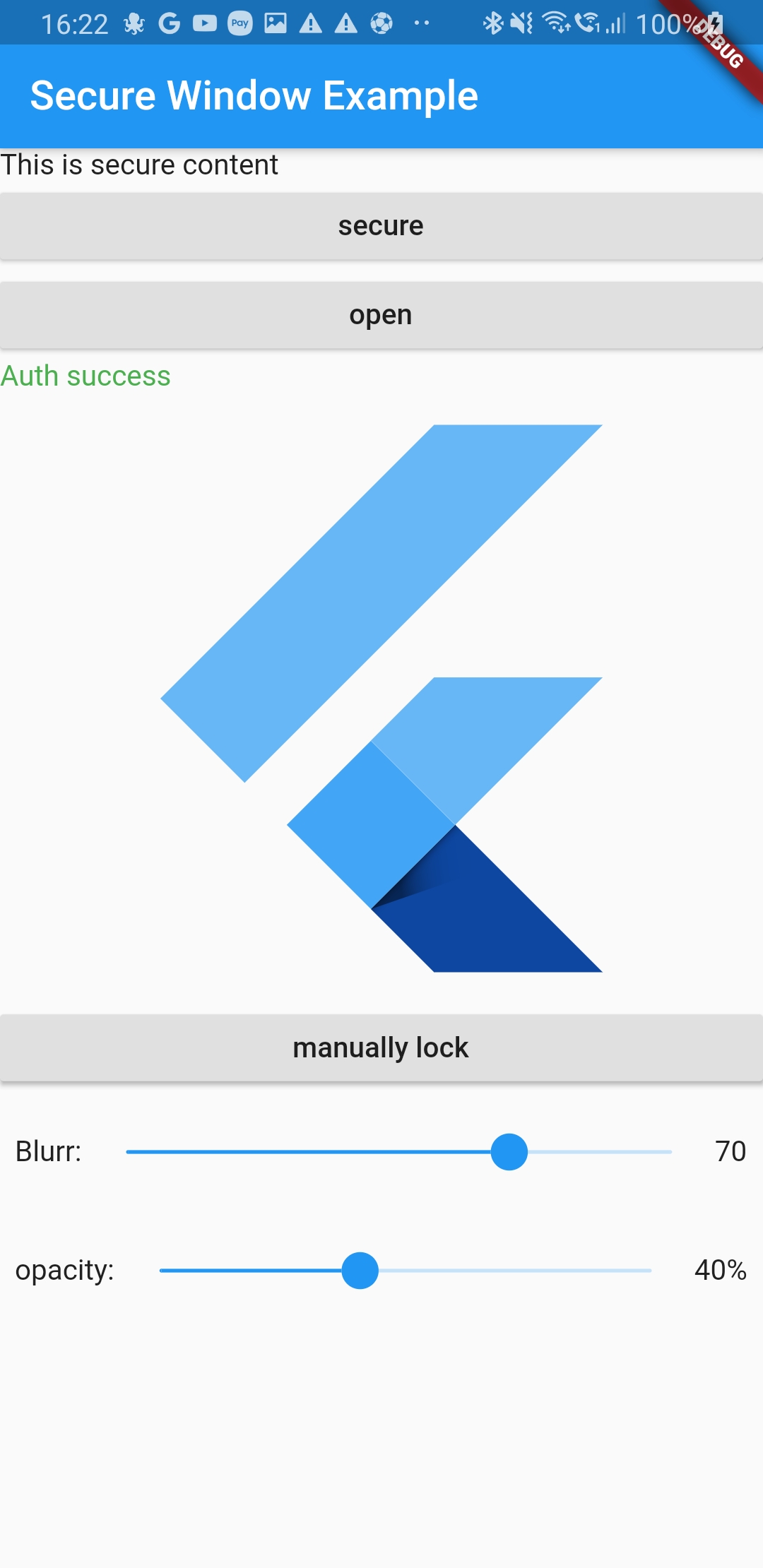
if the user switch app or leave app the content will not be visible in the app switcher and when it goes back to the app it will lock it

locked

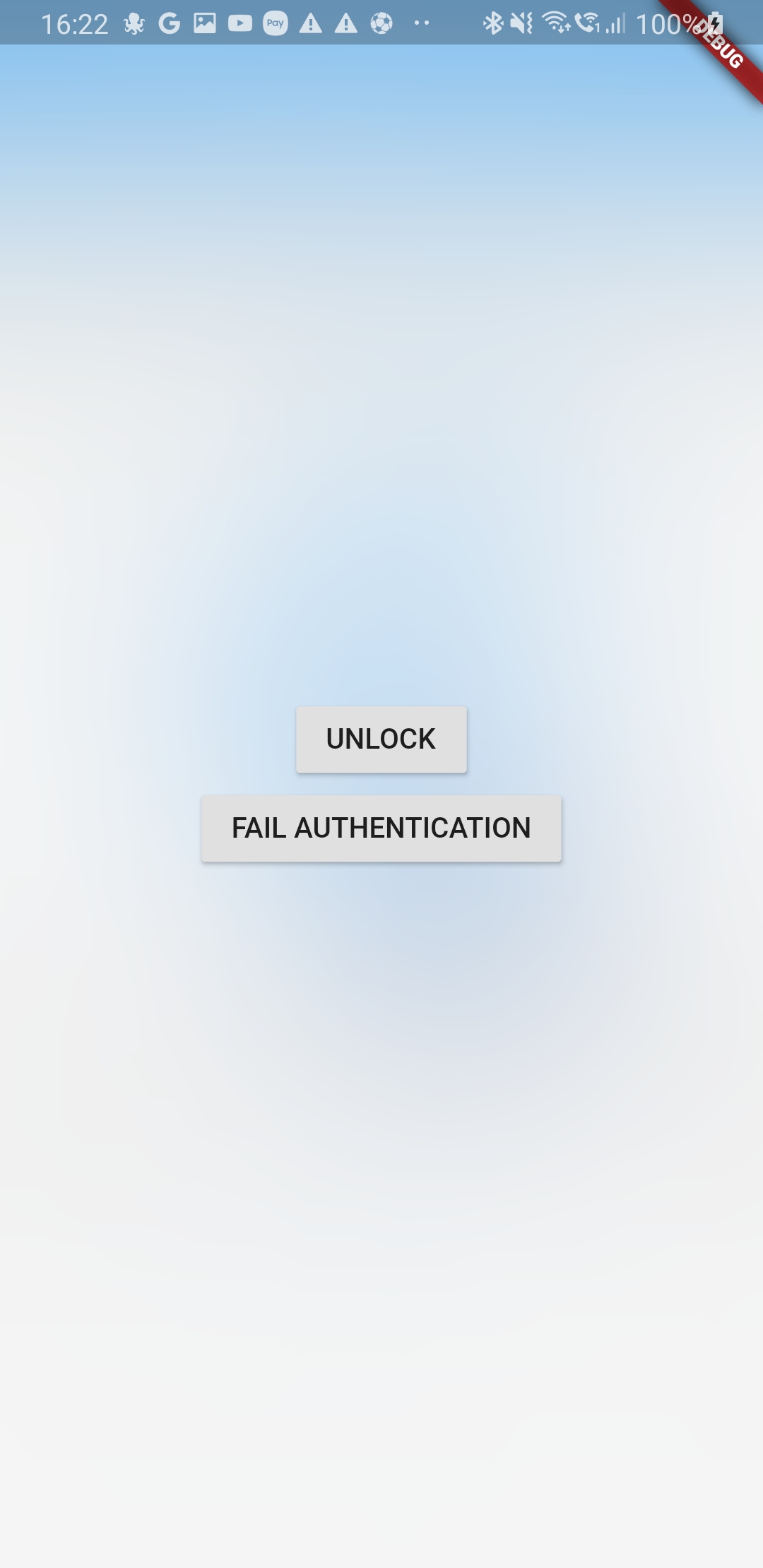
the child of the SecureGates will be hidden bellow the blurry barrier

paused

even if secured SecureGates will not activate when user comes back to the app

authenticated

last authentication status. To help you manage visibility of some elements of your UI depending on auth status

  • secureApplicationController.authFailed() will set it to false
  • secureApplicationController.authLogout() will set it to false
  • secureApplicationController.authSuccess() will set it to true

You could use the authenticationEvents for the same purpose as it is a BehaviorSubject stream

Streams

There is two different BehaviorStream (emit last value when you subscribe):

  • authenticationEvents: When there is a successful or unsucessful authentification (you can use it for example to clean your app if authentification is not successful)
  • lockEvents: Will be called when the application lock or unlock. Usefull for example to pause media when the app lock

Example

Look at example app to see a use case

Authentication

This tool does not impose a way to authenticate the user to give them back access to their content

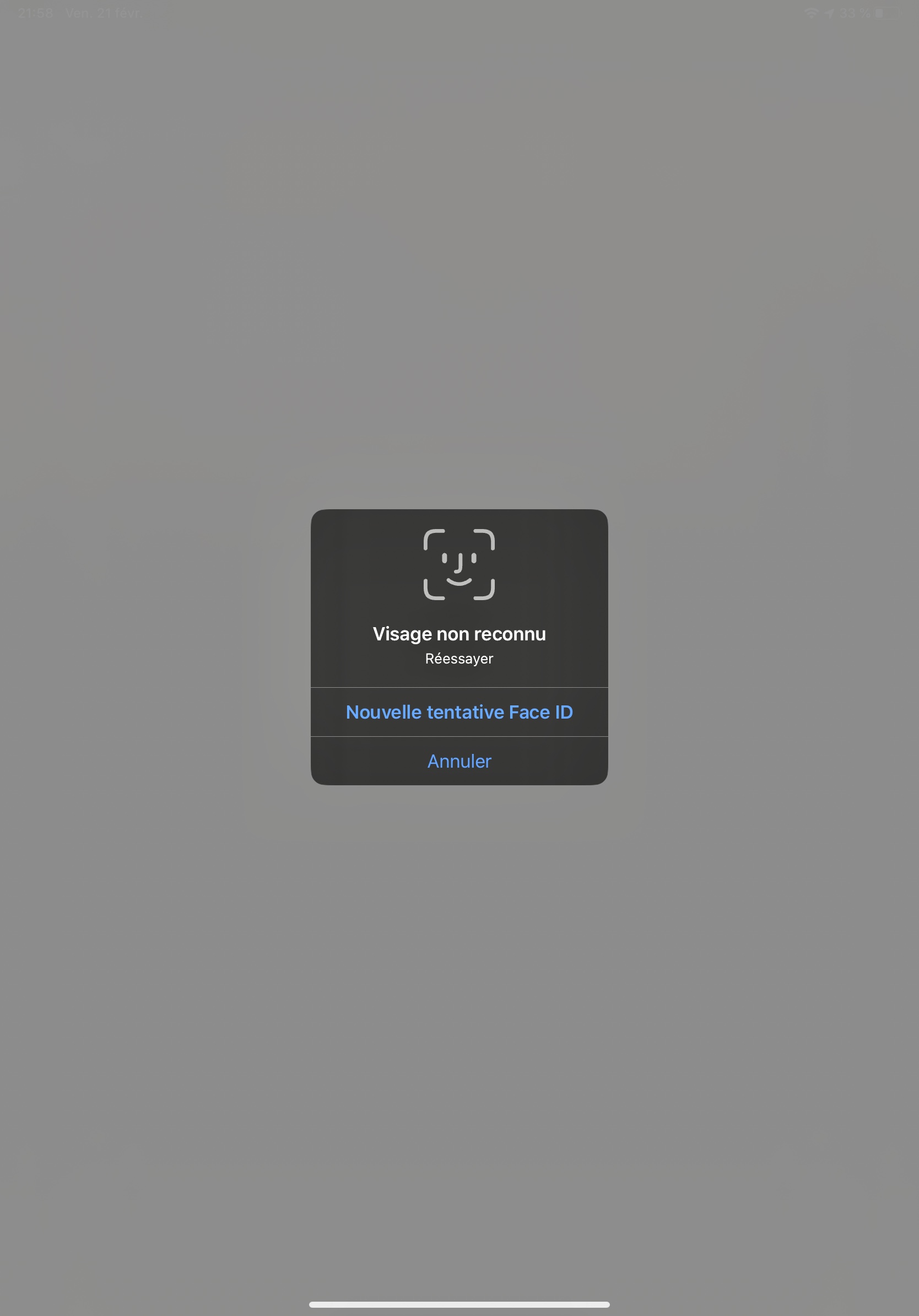
You are free to use your own Widget/Workflow to allow user to see their content once locked (cf SecureApplication widget argument onNeedUnlock)

Therefore you can use any method you like:

  • Your own Widget for code Authentication
  • biometrics with the local_auth package
  • ...

Android

On Android as soon as you secure the application the user will not be able to capture the screen in the app (even if unlocked) We might give an option to allow screenshot as an option if need arise

iOS

Contrary to Android we create a native frosted view over your app content so that content is not visible in the app switcher. When the user gets back to the app we wait for ~500ms to remove this view to allow time for the app to woke and flutter gate to draw

Widgets

SecureApplication

Api Doc this widget is required and need to be a parent of any Gate it provides to its descendant a SecureApplicationProvider that allow you to secure or open the application

You can pass you own initialized SecureApplicationController if you want to set default values

SecureGate

Api Doc The child of this widget will be below a blurry barrier (control the amount of blurr and opacity with its arguments) if the provided SecureApplicationController is locked

Native workings

Android

When locked we set the secure flag to true

activity?.window?.addFlags(LayoutParams.FLAG_SECURE)

When opened we remove the secure flag

activity?.window?.clearFlags(LayoutParams.FLAG_SECURE)

iOS

When app will become inactive we add a top view with a blurr filter We remove this app 500ms after the app become active to avoid your content form being breifly visible

Because we all want to see code in a Readme

Widget build(BuildContext context) {
    var width = MediaQuery.of(context).size.width * 0.8;
    return MaterialApp(
      home: SecureApplication(
        onNeedUnlock: (secure) async {
          print(
              'need unlock maybe use biometric to confirm and then sercure.unlock() or you can use the lockedBuilder');
          // var authResult = authMyUser();
          // if (authResul) {
          //  secure.unlock();
          //  return SecureApplicationAuthenticationStatus.SUCCESS;
          //}
          // else {
          //  return SecureApplicationAuthenticationStatus.FAILED;
          //}
          return null;
        },
        onAuthenticationFailed: () async {
          // clean you data
          setState(() {
            failedAuth = true;
          });
          print('auth failed');
        },
        onAuthenticationSucceed: () async {
          // clean you data

          setState(() {
            failedAuth = false;
          });
          print('auth success');
        },
        child: SecureGate(
          blurr: blurr,
          opacity: opacity,
          lockedBuilder: (context, secureNotifier) => Center(
              child: Column(
            mainAxisAlignment: MainAxisAlignment.center,
            children: <Widget>[
              RaisedButton(
                child: Text('UNLOCK'),
                onPressed: () => secureNotifier.authSuccess(unlock: true),
              ),
              RaisedButton(
                child: Text('FAIL AUTHENTICATION'),
                onPressed: () => secureNotifier.authFailed(unlock: true),
              ),
            ],
          )),
          child: Scaffold(
            appBar: AppBar(
              title: const Text('Secure Window Example'),
            ),
            body: Center(
              child: Builder(builder: (context) {
                var valueNotifier = SecureApplicationProvider.of(context);
                return ListView(
                  children: <Widget>[
                    Text('This is secure content'),
                    RaisedButton(
                      onPressed: () => valueNotifier.secure(),
                      child: Text('secure'),
                    ),
                    RaisedButton(
                      onPressed: () => valueNotifier.open(),
                      child: Text('open'),
                    ),
                    if (failedAuth == null)
                      Text(
                          'Lock the app then switch to another app and come back'),
                    if (failedAuth != null)
                      failedAuth
                          ? Text(
                              'Auth failed we cleaned sensitive data',
                              style: TextStyle(color: Colors.red),
                            )
                          : Text(
                              'Auth success',
                              style: TextStyle(color: Colors.green),
                            ),
                    FlutterLogo(
                      size: width,
                    ),
                    RaisedButton(
                      onPressed: () => valueNotifier.lock(),
                      child: Text('manually lock'),
                    ),
                    Padding(
                      padding: const EdgeInsets.all(8.0),
                      child: Row(
                        children: <Widget>[
                          Text('Blurr:'),
                          Expanded(
                            child: Slider(
                                value: blurr,
                                min: 0,
                                max: 100,
                                onChanged: (v) => setState(() => blurr = v)),
                          ),
                          Text(blurr.floor().toString()),
                        ],
                      ),
                    ),
                    Padding(
                      padding: const EdgeInsets.all(8.0),
                      child: Row(
                        children: <Widget>[
                          Text('opacity:'),
                          Expanded(
                            child: Slider(
                                value: opacity,
                                min: 0,
                                max: 1,
                                onChanged: (v) => setState(() => opacity = v)),
                          ),
                          Text((opacity * 100).floor().toString() + "%"),
                        ],
                      ),
                    ),
                  ],
                );
              }),
            ),
          ),
        ),
      ),
    );
  }

カテゴリー

依存関係

依存関係一覧 2 件

ソースリポジトリ

このパッケージを使用しているプロジェクト