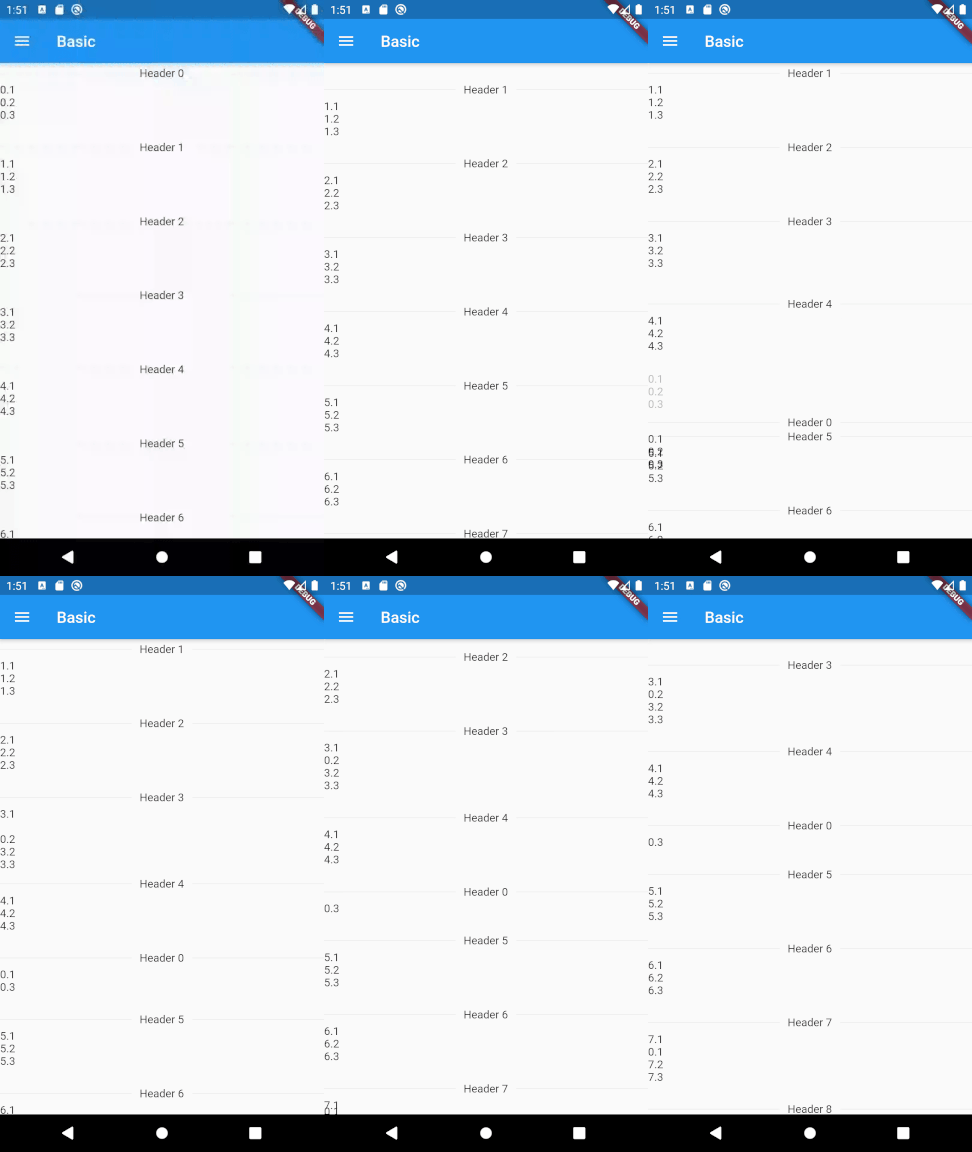
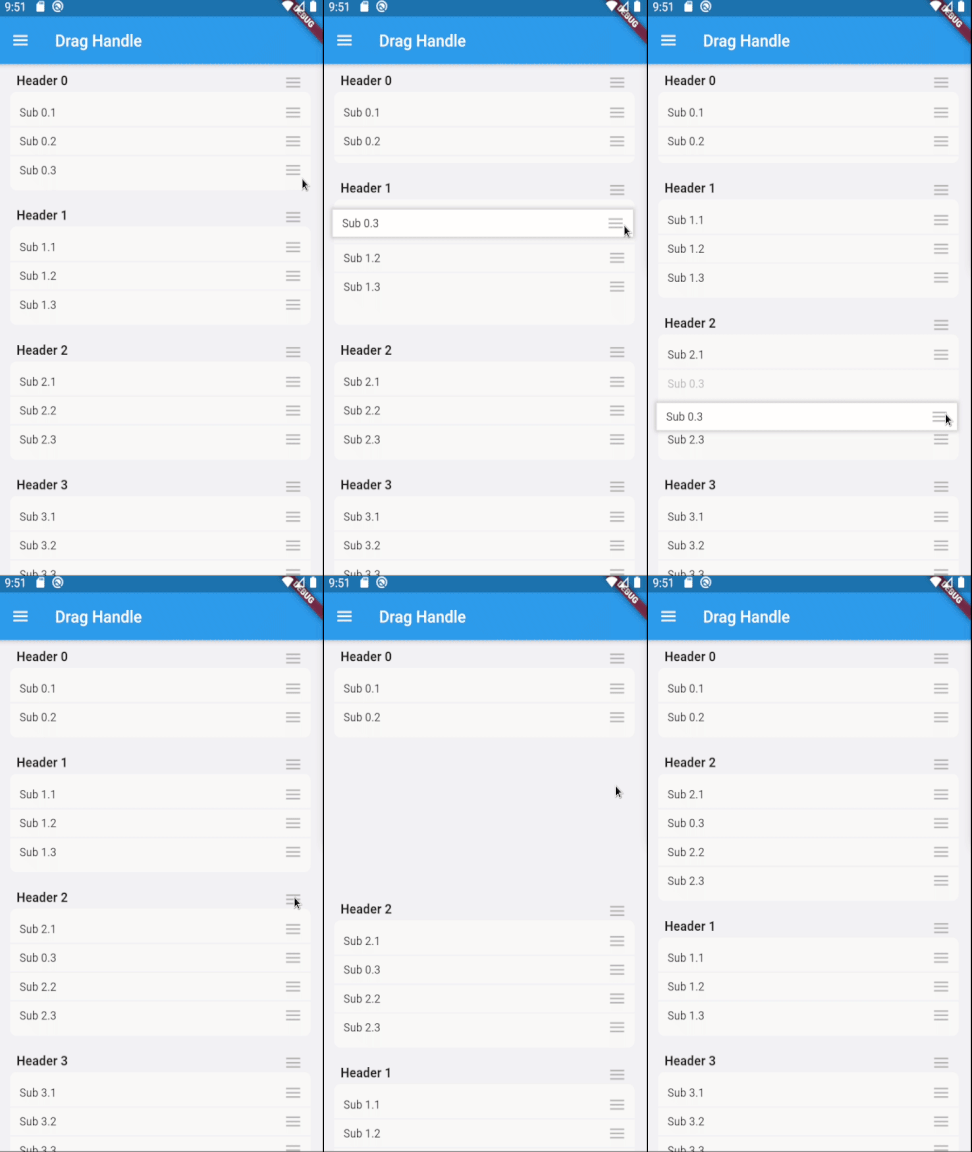
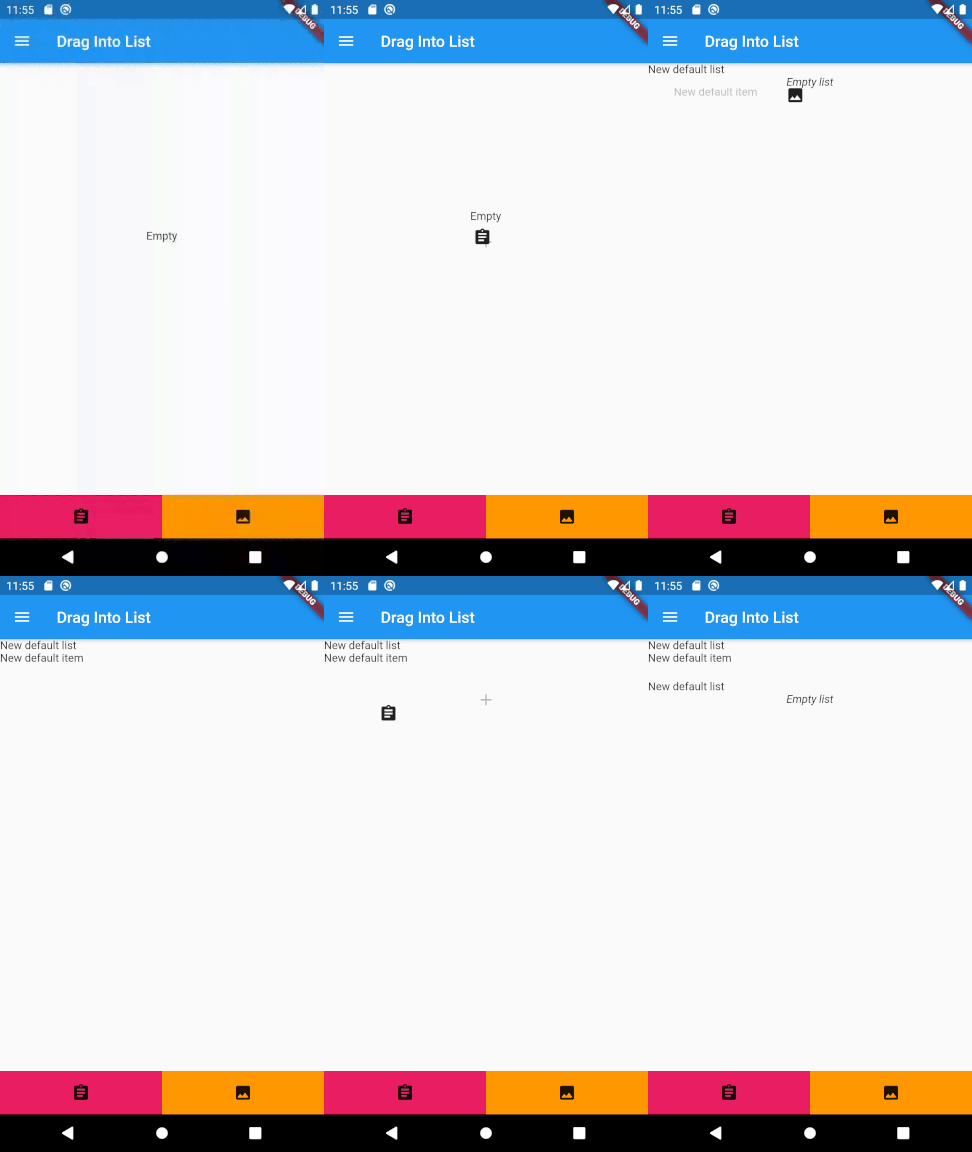
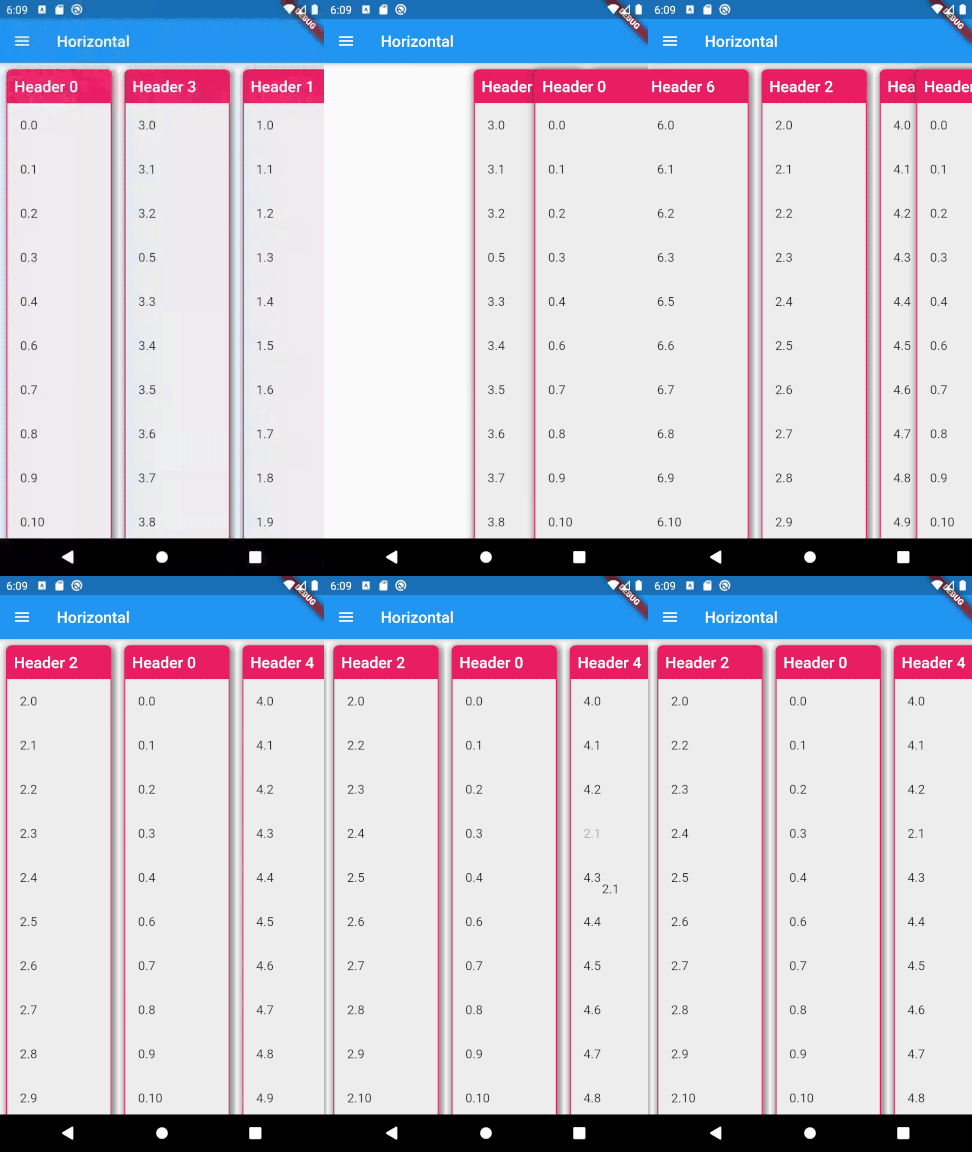
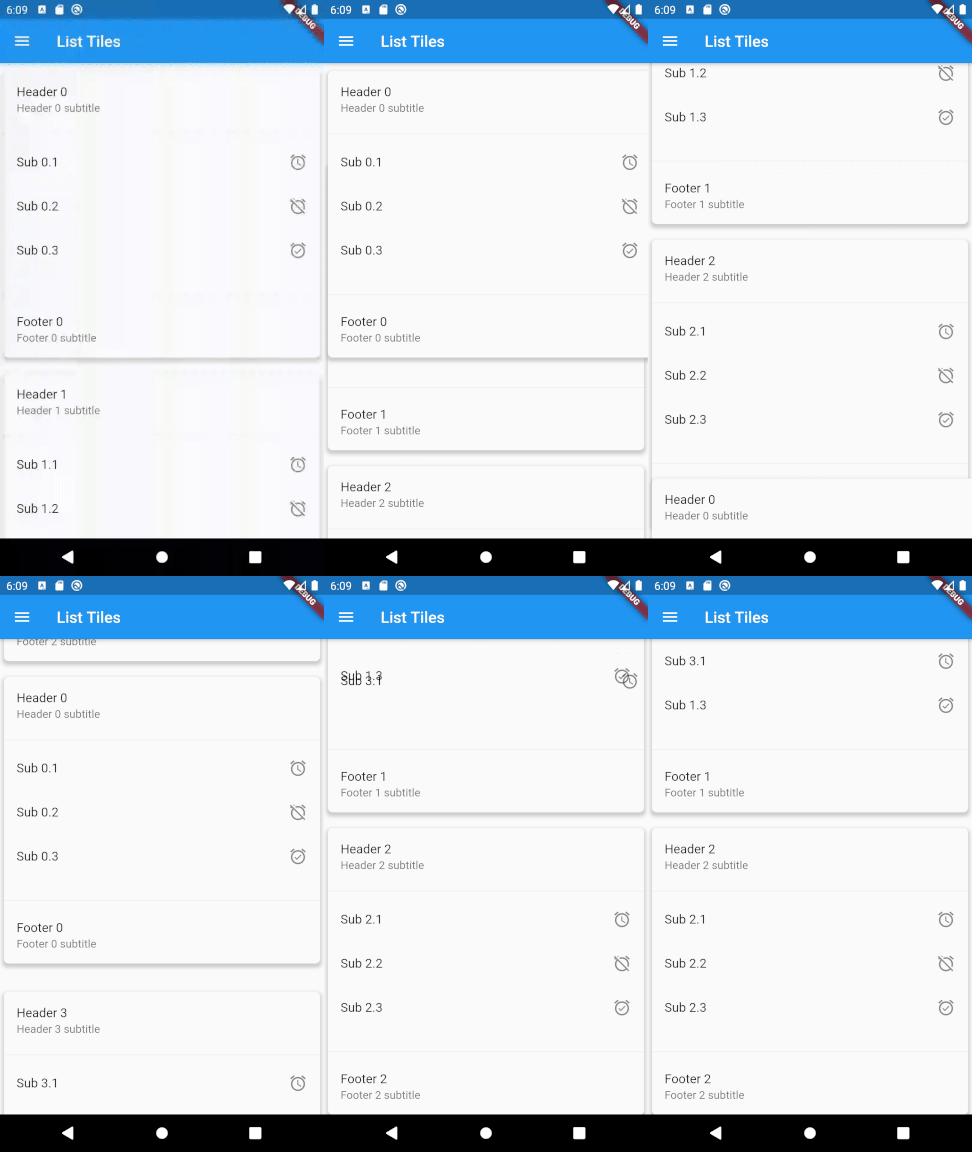
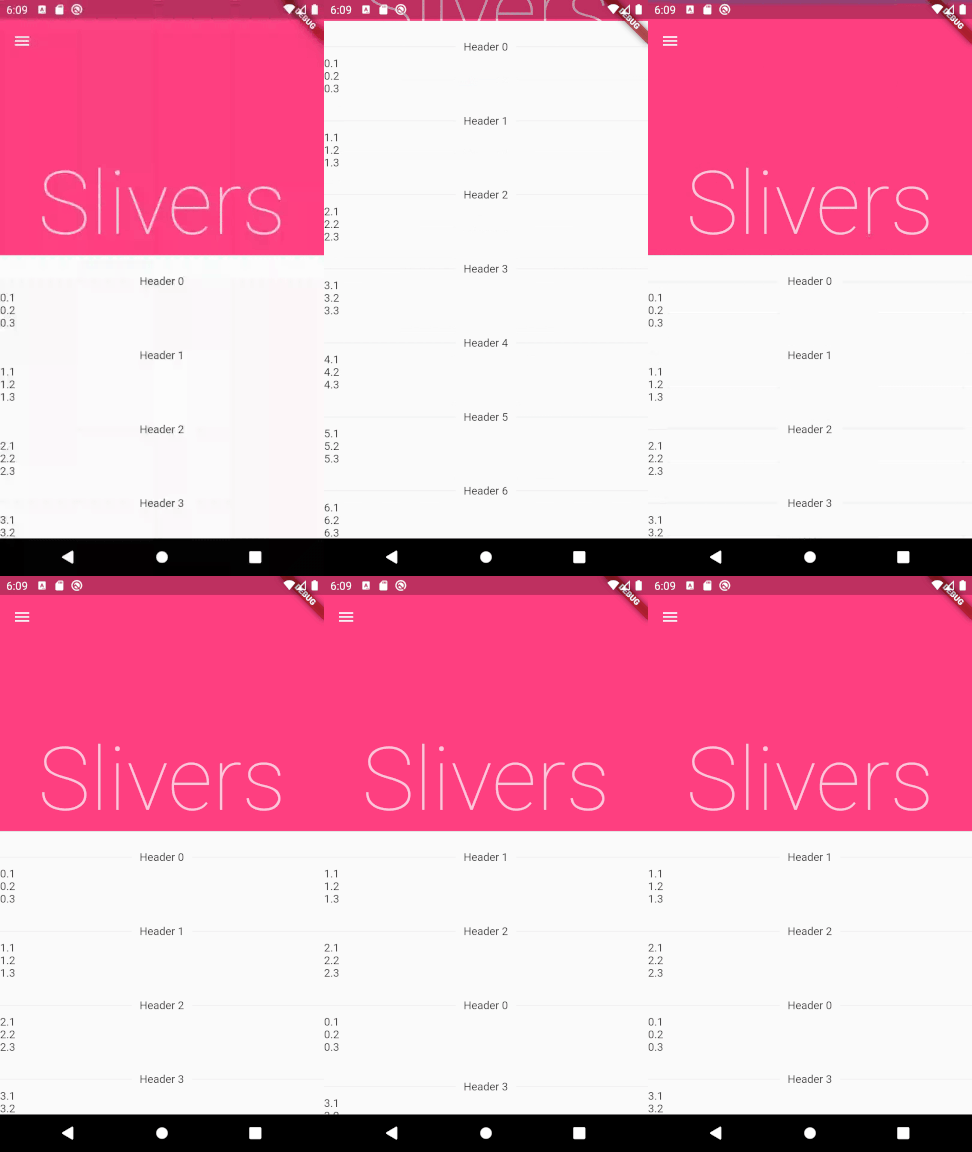
Now in your Dart code, you can use: import 'package:drag_and_drop_lists/drag_and_drop_lists.dart';
To add the lists, add a DragAndDropLists widget. Set its children to a list of DragAndDropList. Likewise, set the children of DragAndDropList to a list of DragAndDropItem.
For example:
// Outer listList<DragAndDropList> _contents;
@overridevoidinitState() {
super.initState();
// Generate a list
_contents = List.generate(10, (index) {
returnDragAndDropList(
header: Text('Header $index'),
children: <DragAndDropItem>[
DragAndDropItem(
child: Text('$index.1'),
),
DragAndDropItem(
child: Text('$index.2'),
),
DragAndDropItem(
child: Text('$index.3'),
),
],
);
});
}
@overrideWidgetbuild(BuildContext context) {
// Add a DragAndDropLists. The only required parameters are children,// onItemReorder, and onListReorder. All other parameters are used for// styling the lists and changing its behaviour. See the samples in the// example app for many more ways to configure this.returnDragAndDropLists(
children: _contents,
onItemReorder: _onItemReorder,
onListReorder: _onListReorder,
);
}
_onItemReorder(int oldItemIndex, int oldListIndex, int newItemIndex, int newListIndex) {
setState(() {
var movedItem = _contents[oldListIndex].children.removeAt(oldItemIndex);
_contents[newListIndex].children.insert(newItemIndex, movedItem);
});
}
_onListReorder(int oldListIndex, int newListIndex) {
setState(() {
var movedList = _contents.removeAt(oldListIndex);
_contents.insert(newListIndex, movedList);
});
}