Package selection guidance compiled from public package information, community data, and project usage.
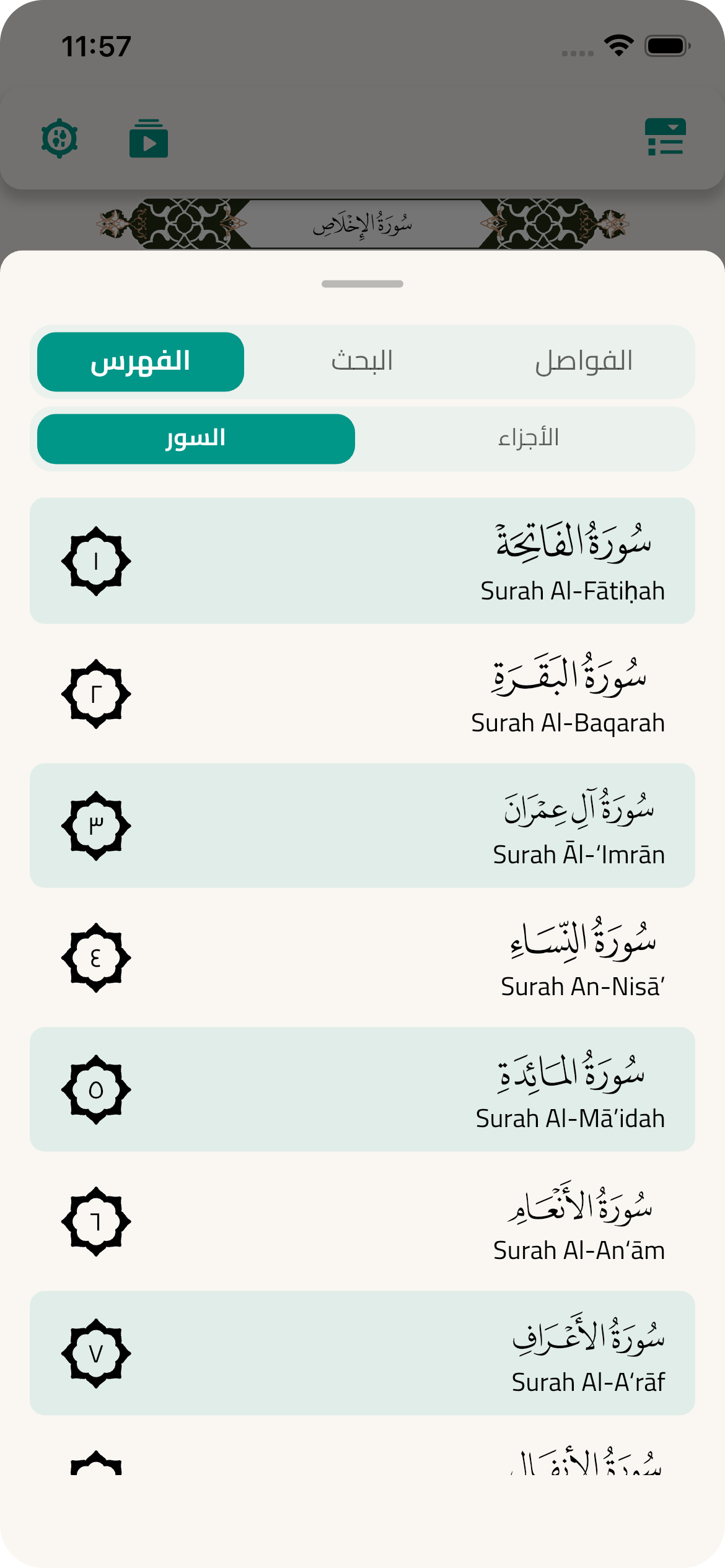
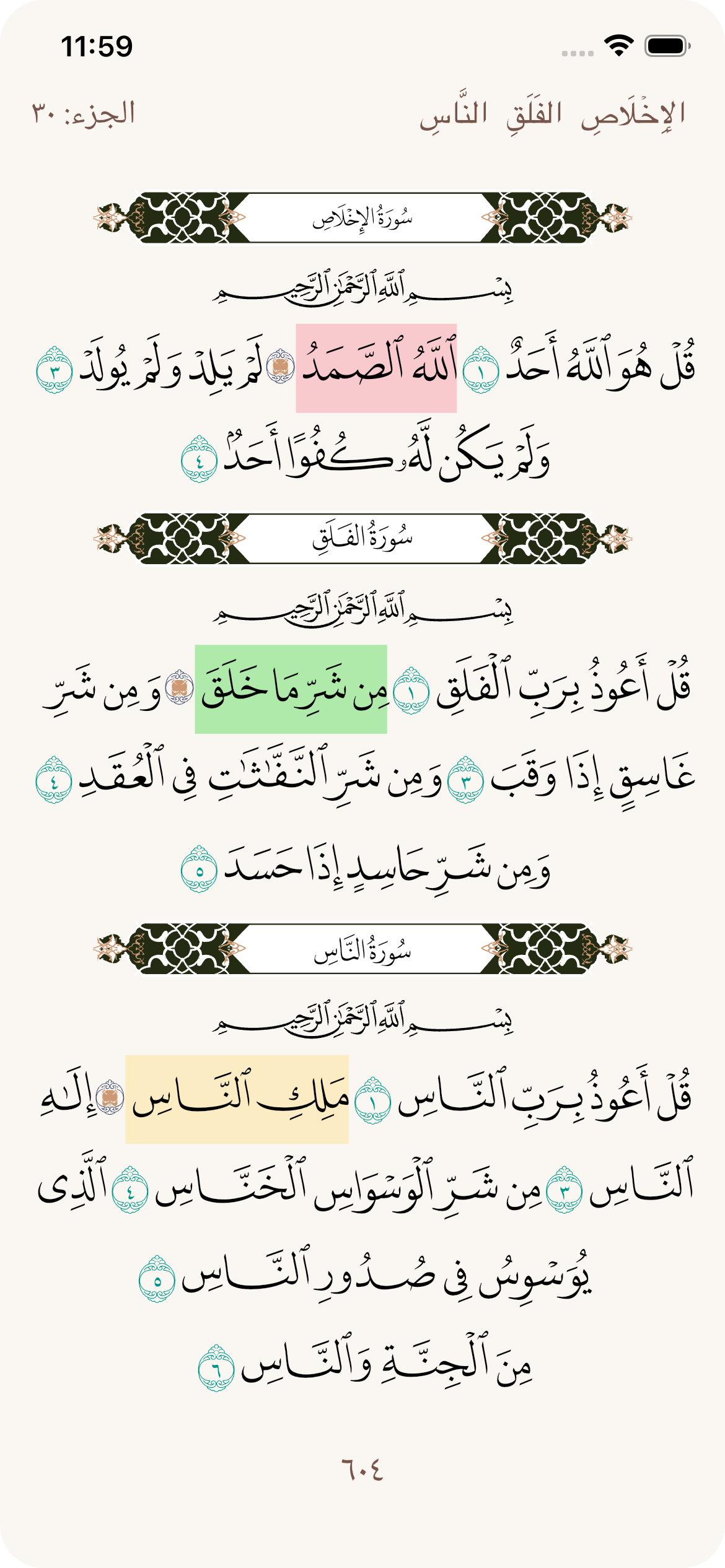
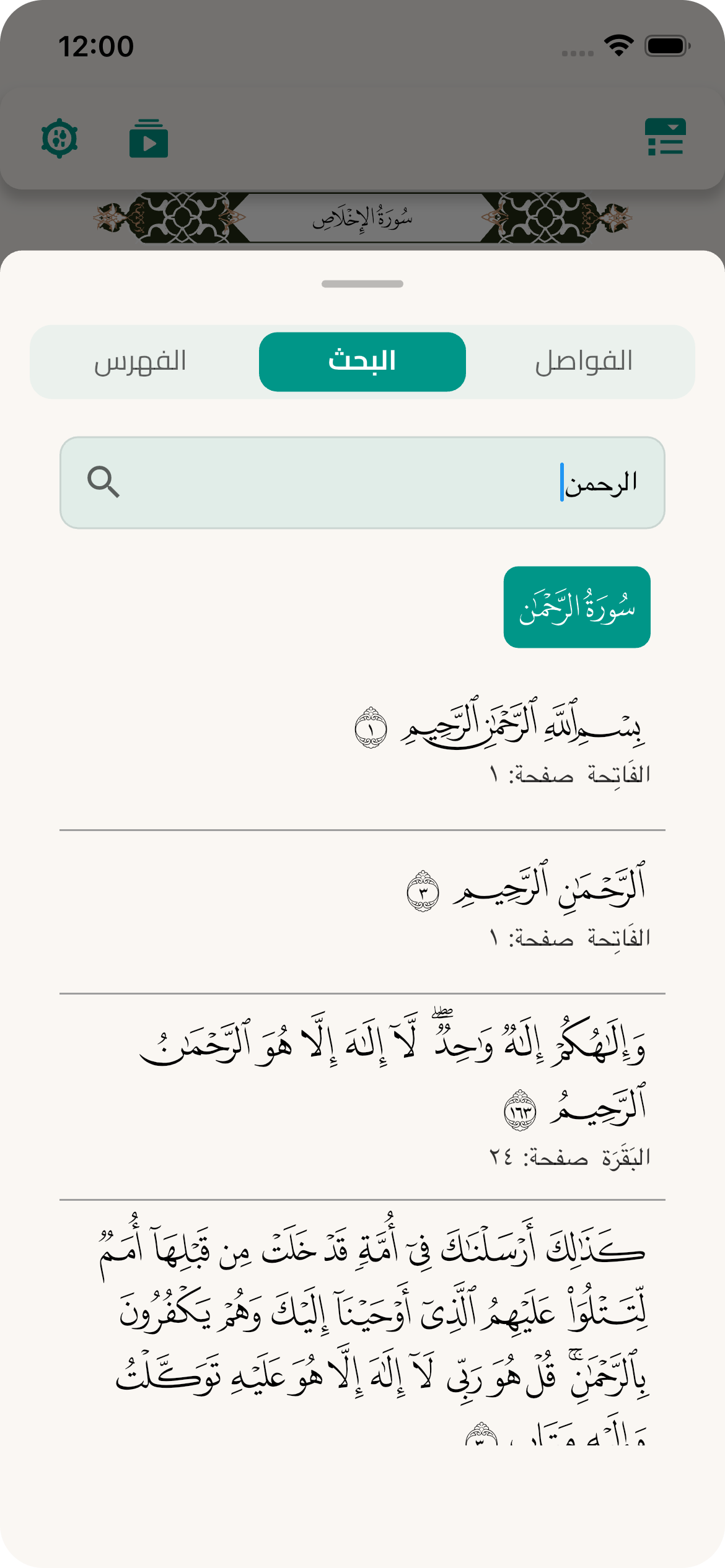
The quran_library package provides an accurate, integrated display of the Holy Qur’an exactly as presented in the Medina Mushaf, featuring the Hafs recitation according to Asim. Designed for developers building Islamic applications, it ensures textual fidelity and supports multiple platforms. The package includes structured access to verses, chapters, and recitation data, enabling seamless integration into apps focused on Quranic study, reading, or recitation. It is ideal for educational tools, digital mosques, and religious learning platforms.
Use cases
Digital Quran readers
Islamic education apps
Quran recitation tools
Religious study platforms
Mushaf-based mobile applications
Key features
Medina Mushaf accuracy
Hafs recitation (Asim)
Multi-platform support
Structured verse/chapter data
Offline Quran access
Clean Dart API
Suitable for
Islamic app developers
Quran study tool creators
Mobile app builders with religious focus
Educational technology teams
Cross-platform Flutter projects
Considerations
Requires understanding of Arabic script rendering
May need additional UI components for full functionality
Best suited for apps focused on Quranic content
Limited to one recitation variant
Depends on accurate source data integrity
Original README
Original README snapshot from the linked source repository. Visit the repository for the latest content.
Quran Library
Choose your language for the documentation:
Important note before starting to use: Please make:
The required permissions for audio playback (WAKE_LOCK, and FOREGROUND_SERVICE_MEDIA_PLAYBACK) are automatically added by the package. You don't need to manually edit your AndroidManifest.xml.
Additionally, to enable system-integrated audio controls (notification/lockscreen) using audio_service, your app's MainActivity must extend AudioServiceActivity:
Kotlin:
import com.ryanheise.audioservice.AudioServiceActivity

class MainActivity: AudioServiceActivity()
Java:
import com.ryanheise.audioservice.AudioServiceActivity;

public class MainActivity extends AudioServiceActivity {}
If you don't apply this change, the audio will still work locally, but AudioService.init() may fail and system controls won't be available.
iOS
For background audio playback, you must add the following to your app's Info.plist:
/// You can just add it to your code like this:classMyQuranPageextendsStatelessWidget{
@overrideWidgetbuild(BuildContext context) {
returnQuranLibraryScreen(
parentContext: context, // Required
);
}
}
/// For displaying a single surah with custom paginationSurahDisplayScreen(
/// [surahNumber] The surah number to display
surahNumber: 1, // For Al-Fatihah/// [onPageChanged] if provided it will be called when a surah page changed
onPageChanged: (int pageIndex) => print("Surah page changed: $pageIndex"),
/// [isDark] enable or disable dark mode
isDark: false,
/// [basmalaStyle] Change the style of Basmala
basmalaStyle: BasmalaStyle.defaults(
isDark: isDark,
context: context,
).copyWith(
basmalaColor: Colors.black,
basmalaWidth: 160.0,
basmalaHeight: 30.0,
),
/// [bannerStyle] Change the style of banner
bannerStyle: BannerStyle.defaults(
isDark: isDark,
context: context,
).copyWith(
isImage: false,
bannerSvgHeight: 40.0,
bannerSvgWidth: 150.0,
),
/// and more options...
),
Single Ayah Display
Expand section
/// For displaying a single ayah from any surahGetSingleAyah(
/// [surahNumber] - must be between 1 and 114
surahNumber: 1, // Surah number/// [ayahNumber] - ayah number within the surah
ayahNumber: 2, // Ayah number/// [textColor] - optional text color
textColor: Colors.black,
/// [isDark] - optional, default is false
isDark: false,
/// [fontSize] - optional, default is 22
fontSize: 24.0,
/// [isBold] - optional, default is true
isBold: true,
),
Partial Pages (single or range) + Highlighting
Expand section
You can display just one specific page or a range of pages using QuranPagesScreen.
Requirements:
Pass the parent widget context via parentContext.
Choose either a single page or a range using startPage and endPage.
Basic examples:
// Single pageQuranPagesScreen(
parentContext: context,
page: 6,
)
// Range of pages (inclusive)QuranPagesScreen(
parentContext: context,
startPage: 6,
endPage: 11,
)
// Optional: disable page view if you want a static viewQuranPagesScreen(
parentContext: context,
startPage: 6,
endPage: 7,
withPageView: false,
)
final jozzs = QuranLibrary.allJoz;
final hizbs = QuranLibrary.allHizb;
final surahs = QuranLibrary.getAllSurahs();
final ayahsOnPage = QuranLibrary().getAyahsByPage();
/// [getSurahInfo] let's you get a Surah with all its data when you pass Surah numberfinal surah = QuranLibrary().getSurahInfo(1);
to jump between pages, Surahs or Hizbs you can use:
/// [jumpToAyah] let's you navigate to any ayah../// It's better to call this method while Quran screen is displayed/// and if it's called and the Quran screen is not displayed, the next time you/// open quran screen it will start from this ayah's pageQuranLibrary().jumpToAyah(AyahModel ayah);
/// or you can use:/// jumpToPage, jumpToJoz, jumpToHizb, jumpToBookmark and jumpToSurah.
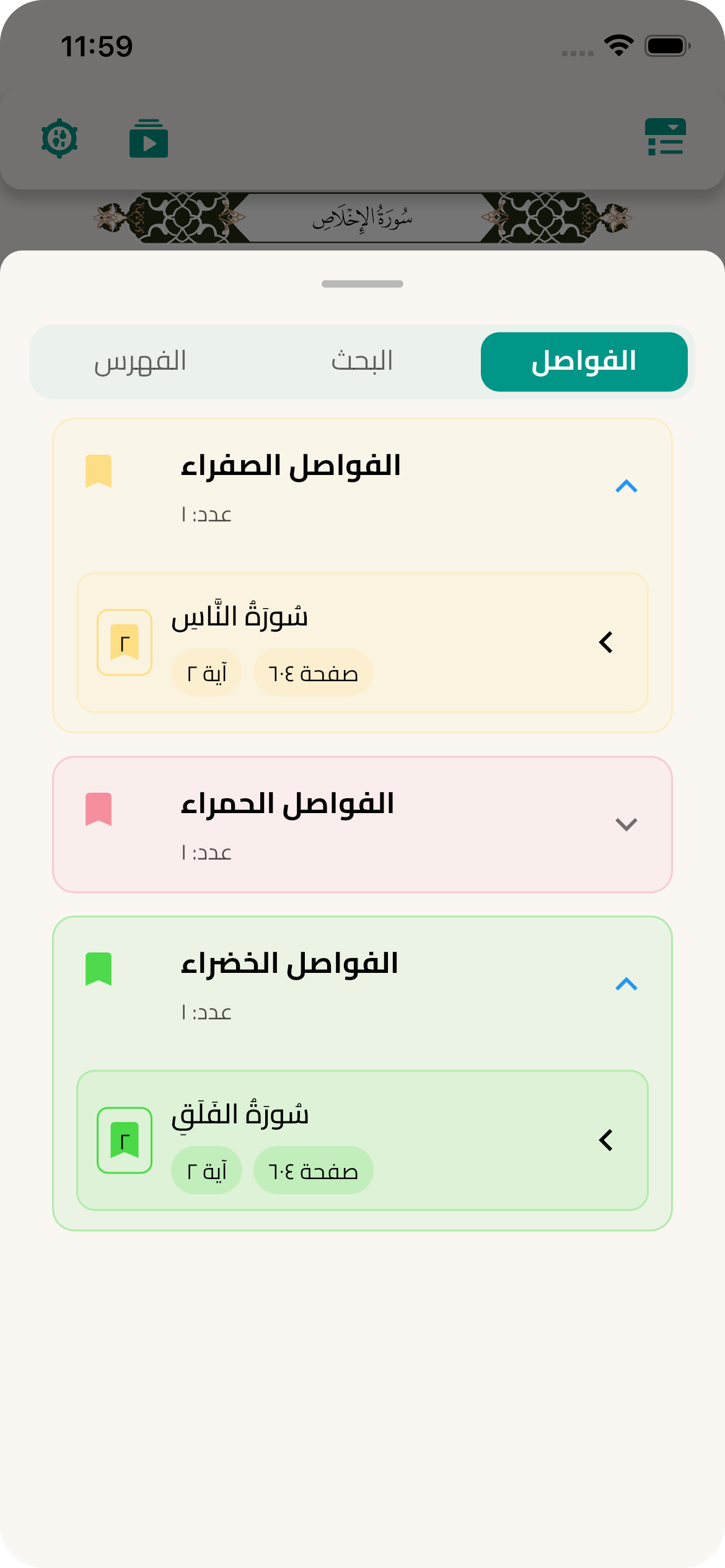
Adding, setting, removing, getting and navigating to bookmarks:
////// to get the fonts download dialog just call [getFontsDownloadDialog]////// and pass the language code to translate the number if you want,/// the default language code is 'ar' [languageCode]/// and style [DownloadFontsDialogStyle] is optional.QuranLibrary().getFontsDownloadDialog(downloadFontsDialogStyle, languageCode);
/// to get the fonts download widget just call [getFontsDownloadWidget]WidgetgetFontsDownloadWidget(context, {downloadFontsDialogStyle, languageCode});
/// to get the fonts download method just call [fontsDownloadMethod]QuranLibrary().fontsDownloadMethod;
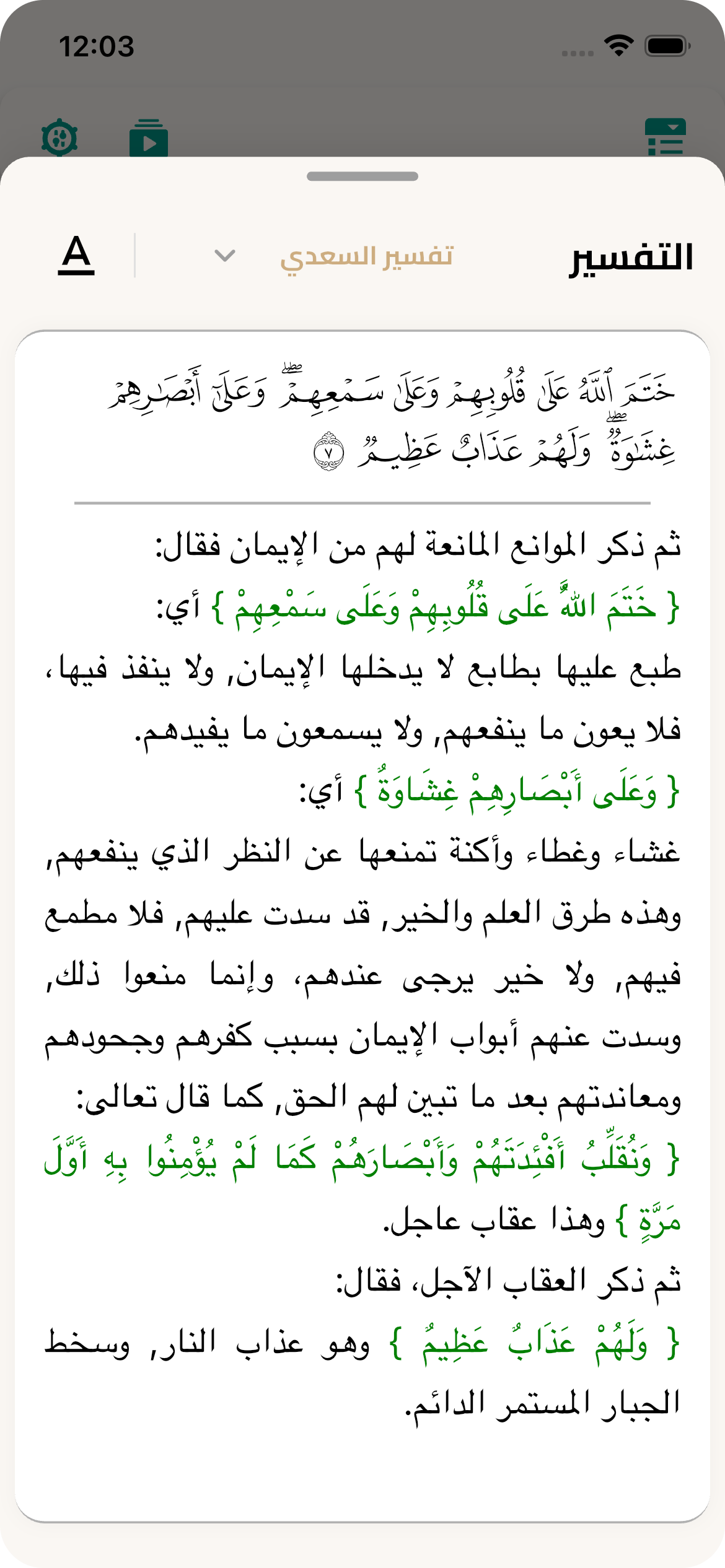
Tafsir
Usage Example
// get current listfinal all = TafsirController.instance.items; // includes defaults + customs// add a custom sql file (File is from file picker)final added = awaitTafsirController.instance.addCustomFromFile(
sourceFile: pickedFile,
displayName: 'My Custom Tafsir',
bookName: 'My Book',
type: TafsirFileType.json,
);
/// Show a popup menu to change the tafsir style.QuranLibrary().changeTafsirPopupMenu(TafsirStyle tafsirStyle, {int? pageNumber});
/// Fetch tafsir for a specific page by its page number.QuranLibrary().fetchTafsir({requiredint pageNumber});
/// Check if the tafsir is already downloaded.QuranLibrary().getTafsirDownloaded(int index);
/// Get the list of tafsir and translation names.QuranLibrary().tafsirAndTraslationCollection;
/// Change the selected tafsir when the switch button is pressed.QuranLibrary().changeTafsirSwitch(int index, {int? pageNumber});
/// Get the list of available tafsir data.QuranLibrary().tafsirList;
/// Get the list of available translations.QuranLibrary().translationList;
/// Fetch translations from the source.QuranLibrary().fetchTranslation();
/// Download the tafsir by the given index.QuranLibrary().tafsirDownload(int i);
/// (Optional) Download Tajweed (ayah-level) data used inside the Tafsir bottom sheetif (!QuranLibrary().isTajweedAyahDownloaded) {
awaitQuranLibrary().downloadTajweedAyah();
}
Audio Playback
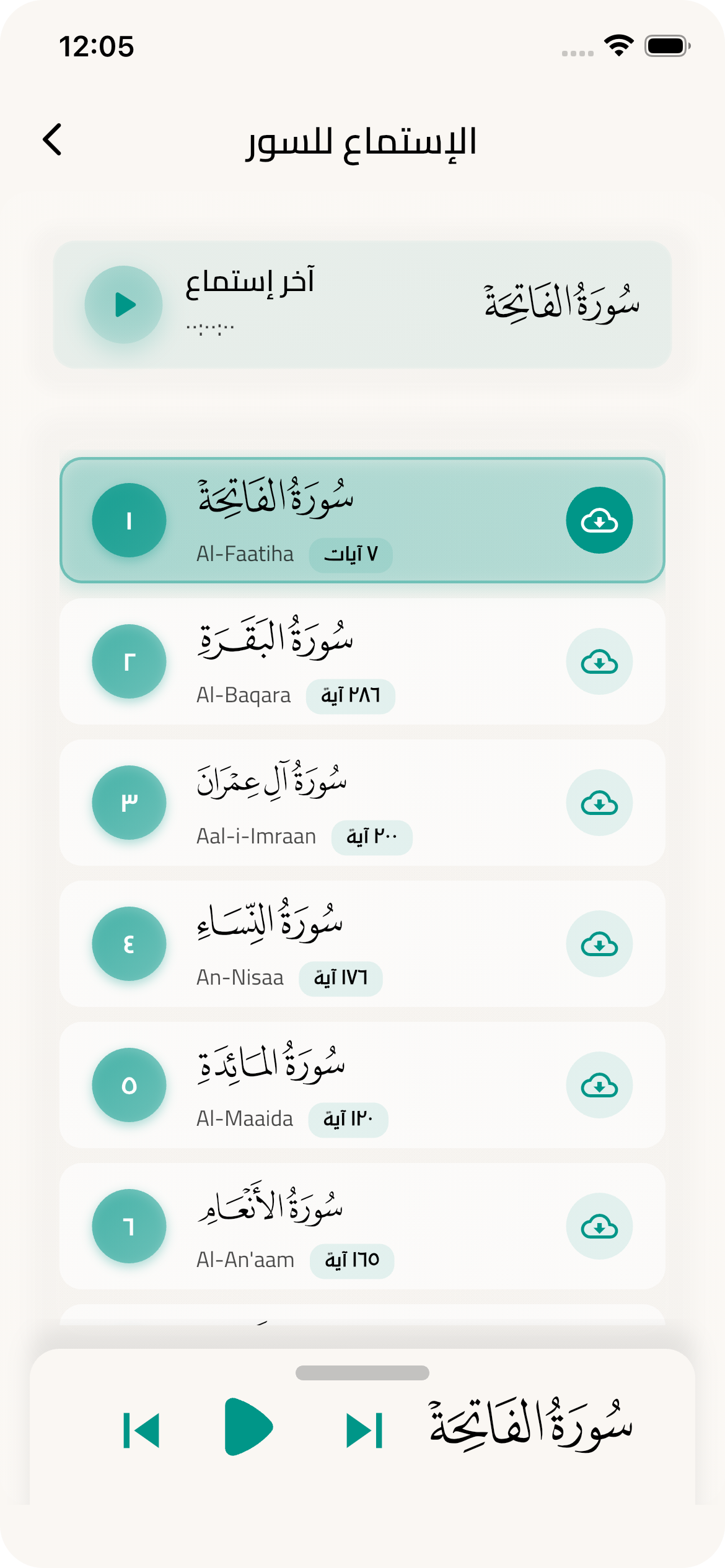
This section provides comprehensive capabilities for audio playback of the Holy Quran with background playback support and advanced audio file management.
Verse Audio Playback
/// Play a verse or group of verses starting from a specific verseawaitQuranLibrary().playAyah(
context: context,
currentAyahUniqueNumber: 1, // Unique ayah number
playSingleAyah: true, // true for single ayah, false to continue
);
/// Move to next verse and play itawaitQuranLibrary().seekNextAyah(
context: context,
currentAyahUniqueNumber: 5,
);
/// Move to previous verse and play itawaitQuranLibrary().seekPreviousAyah(
context: context,
currentAyahUniqueNumber: 10,
);
Surah Audio Playback
/// Play a complete surah from beginning to endawaitQuranLibrary().playSurah(surahNumber: 1); // Al-FatihahawaitQuranLibrary().playSurah(surahNumber: 2); // Al-Baqarah/// Move to next surah and play itawaitQuranLibrary().seekToNextSurah();
/// Move to previous surah and play itawaitQuranLibrary().seekToPreviousSurah();
Download Management
/// Start downloading a surah for offline playbackawaitQuranLibrary().startDownloadSurah(surahNumber: 1);
/// Cancel ongoing downloadQuranLibrary().cancelDownloadSurah();
Position Control & Resume
/// Get current/last surah numberint currentSurah = QuranLibrary().currentAndLastSurahNumber;
/// Get last position as formatted text (like "05:23")String lastTimeText = QuranLibrary().formatLastPositionToTime;
/// Get last position as Duration object for programming operationsDuration lastDuration = QuranLibrary().formatLastPositionToDuration;
/// Play from the last position where user stoppedawaitQuranLibrary().playLastPosition();
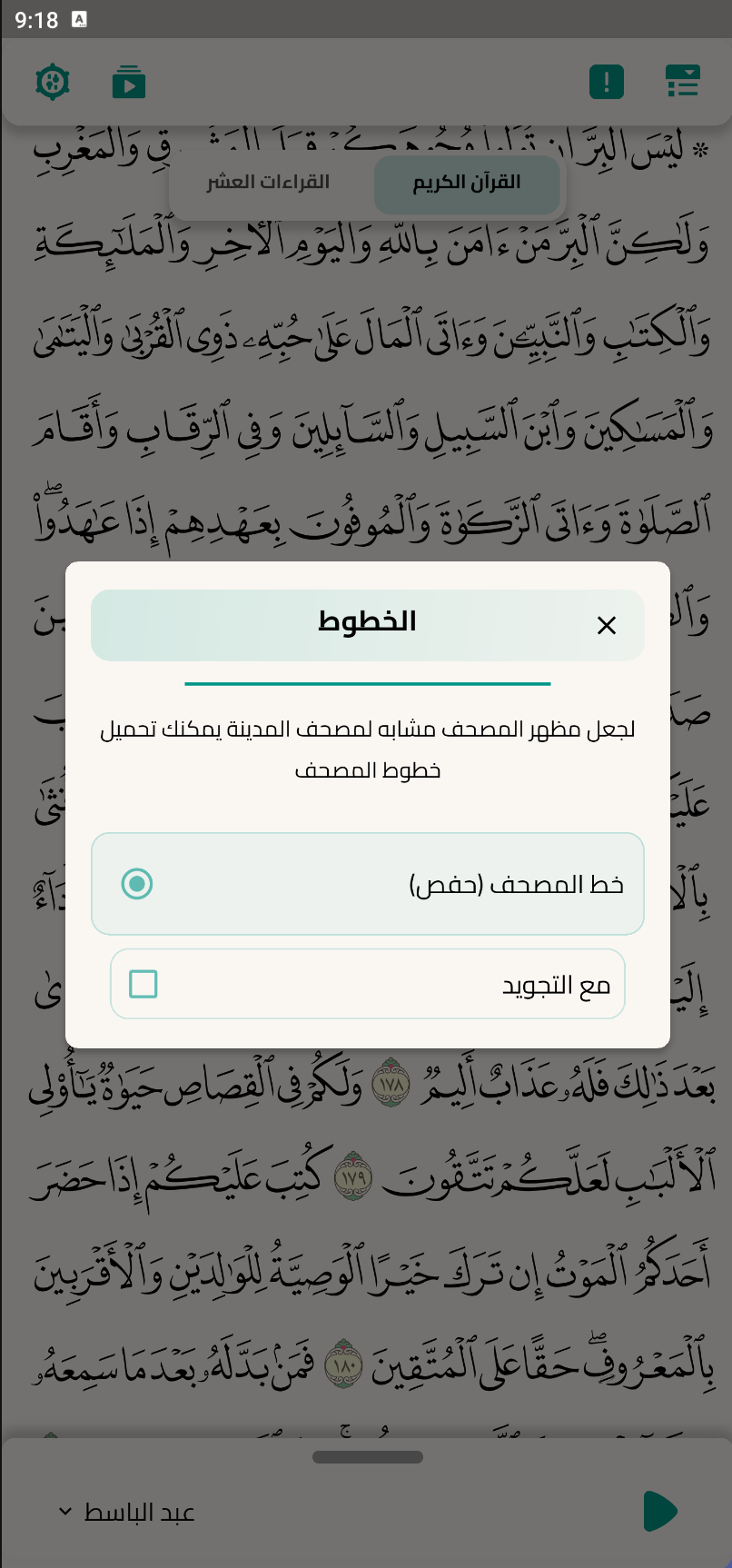
You can also use the default Quran font or Naskh font
/// [hafsStyle] is the default style for Quran so all special characters will be rendered correctlyQuranLibrary().hafsStyle;
/// [naskhStyle] is the default style for other text.QuranLibrary().naskhStyle;
Sources
Quran text and metadata: King Fahd Glorious Quran Printing Complex — Quran Developer Portal
https://qurancomplex.gov.sa/quran-dev/
Fonts, Tafsir, and Translations: Quranic Universal Library (QUL) by Tarteel
https://qul.tarteel.ai/
License
MIT for code. QCF fonts are provided via Quranic Universal Library (QUL). Ensure you comply with QUL terms (and any upstream KFGQPC terms) when distributing applications that include or bundle these assets.